















Huvudnyheter
 UPPTÄCK NANO-FAMILJEN
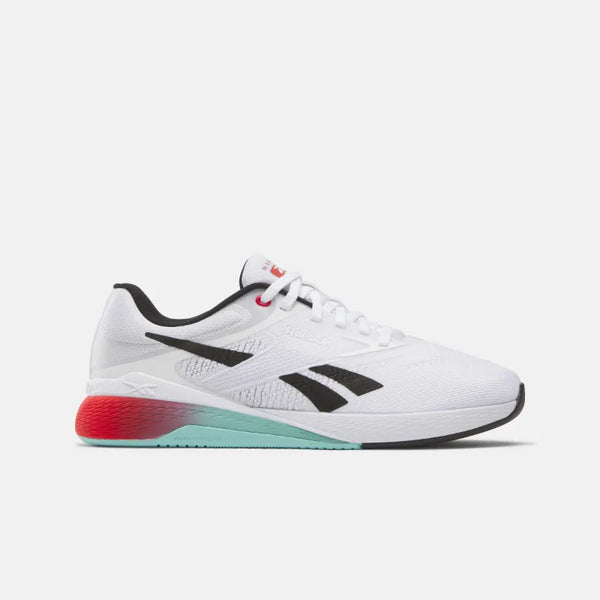
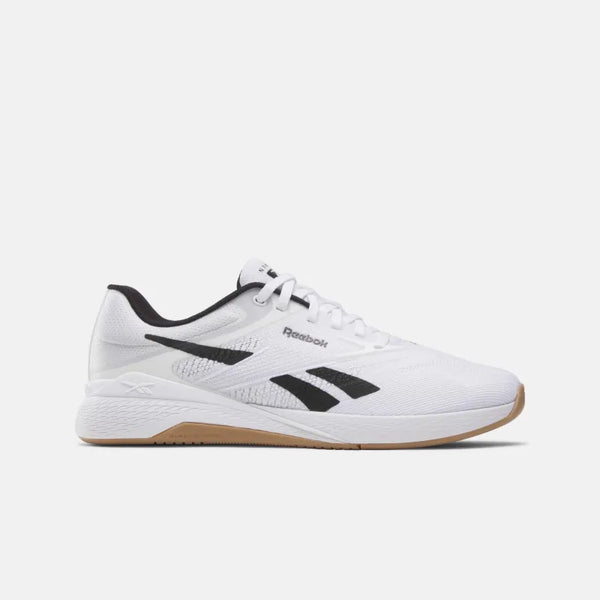
Nano X4 har anlänt
Nano X4-sneakers överträffar förväntningarna och gör det möjligt för dem som bär dem att alltid prestera sitt bästa vid varje träningspass. Designade för att vara den lättaste och mest ventilerade modellen i Nano-serien, garanterar dessa träningsskor optimalt stöd och prestanda.
Läs hela artikeln
 DEN NYA REEBOK LTD-KOLLEKTIONEN
Reebok LTD – Learn. Test. Design. är en plattform som syftar till att frigöra individuell uttrycksfrihet och inspirera till framsteg, en plats som avslöjar det förflutna för att inspirera framtiden, en kreativ process i ständig utveckling. Kollektionen kommer att finnas tillgänglig globalt och inkludera nya produkter och upplevelser som stämmer överens med Reeboks uppdrag att omdefiniera gränserna mellan sport och kultur. Fokus ligger på innovation, som får utrymme i högkvalitativa kollektioner, exklusiva samarbeten och specialprojekt, med utgångspunkt i Reeboks historia och tidlösa design.
Läs hela artikeln
 Cardi B X Reebok
Reebok och Cardi B har återigen gått samman för att skapa en omfattande kollektion av skor och kläder som lever upp till Cardi’s ikoniska energi, med titeln ‘Let Me Be… Next Level Energy.’ Inspirerad av den älskade artistens oöverträffade energi, innehåller denna tvådelade kapsel en färgpalett som speglar några av jordens mest livfulla kristaller. Plaggen i kollektionen utstrålar kristallernas dynamiska glöd och förstärker dess energigivande effekter genom en variation av texturer och material.
Läs hela artikeln
Senaste berättelserna
 Reebok x Full Circle Berlin med DeadHYPE
Full Circle Berlin: Born Classic. Helt din egen.
Vad händer när en Classic förs vidare till en ny generation? Den görs om, anpassas, bärs på nya sätt och får en alldeles egen historia.
Vad är Reebok Full Circle?
Den nytolkningen är idén bakom Reebok Full Circle, ett community-drivet kulturellt nav som hyllar människorna, rörelserna och kreativiteten som har hållit Reebok Classics i händelsernas centrum i mer än fyra decennier.
Efter lanseringen på The Vinyl Factory i London tidigare i år landade Reebok Full Circle i Berlin den 10 oktober och fortsatte en tradition av att fira kreativitet och innovation i staden. Lokala kreatörer, praktiska workshops, ikoner ur arkivet, musik och samtida stil möttes under en dag som handlade om att göra Classics till sina egna.
I samarbete med det berlinska kreativa kollektivet deadHYPE och Zalando byggde eventet vidare på Reeboks plattform Born Classic. Worn For Life. och skapade en plats för att mötas, samarbeta och bli kreativ, med gott om möjligheter att ge Classics en personlig twist.
Skapade för att tolkas om
I hjärtat av Full Circle Berlin fanns tre kreativa workshops där besökarna fick testa själva med Reebok Classics.
Workshoparna kurerades tillsammans med deadHYPE, ett Berlinbaserat kreativt kollektiv känt för att föra samman olika hörn av stadens musik-, mode-, konst- och designscener. Deras arbetssätt bygger på samarbete och på att skapa utrymme för nya röster, vilket gör dem till en naturlig partner för ett event som handlar om att ge en Classic sin egen twist. Stämningen? Mindre showroom, mer kreativ lekplats.
De tre workshoparna
Customisering av sneakers och kläder löpte som en röd tråd genom dagen. Men i stället för att titta på från sidan kunde gästerna delta i workshoparna, experimentera med olika tekniker och skapa något helt personligt.
Gravyr på sneakers: För alla som är nyfikna på custom sneakers var den här workshopen ett tillfälle att prova på själv och gravera ett personligt märke direkt på ett par Reebok Classics som inte skulle finnas på något annat par. Från ikoniska Freestyle Hi till Workout Plus gick deltagarna hem med unika sneakers, helt personliga och skapade av dem själva.
Airbrush: Den här workshopen handlade om att bli kreativ med airbrushtekniker för att förvandla Reebok-kläder med egna motiv och finish. Tänk customisering utan regelbok eller riktlinjer, och slogans på t-shirts (en av våra favoriter: ”Swag pays my bills” i svart på en vit Reebok-t-shirt), så att alla kunde experimentera och skapa något unikt sitt eget.
Skära, slita och bygga om kläder: Vi känner till upcycling, och den här workshopen använde de principerna för att bygga om plagg och skapa nya silhuetter och detaljer.
Det du tar med dig härifrån? En Classic behöver inte förbli som den var. Ibland krävs bara din egen twist.
Ett arv av nytolkning
Reeboks arkiv stod också i centrum, med en utställning av sex framstående skosamarbeten som visar hur långt en Classic kan drivas, från oväntade material till helt nya konstruktioner, när någon bestämmer sig för att tolka den på nytt.
Under fyra decennier har Reeboks silhuetter gått långt bortom sitt ursprungliga sportsliga syfte. Konstnärer, designers och kulturella nytänkare har tolkat ikoniska silhuetter genom hela varumärkets historia, och sedan tolkat dem igen.
De sex arkivsamarbetena
Reebok Freestyle Hi x Kate Knudsen, 1985-1990
Den mångsidiga konstnären Kate Knudsen skapade unika Freestyle Hi åt några av tidens mest igenkännbara namn, bland andra Whoopi Goldberg och Elton John. Varje par var handmålat och dekorerat med allt från päls och berlocker till sporrar, utifrån bärarens personlighet. 1989 producerades tre av Knudsens prototyper, vilket förde hennes kreativitet direkt till marknaden: Give a Dog a Bone, Bowl-a-Rama och Cow.
Maison Margiela × Reebok Classic Leather Tabi, 2021
2021 möttes två klassiker: Reebok Classic Leather, som först kom 1983, och Tabi från Maison Margiela, husets signatursko med delad tå som lanserades 1988 och inspirerades av traditionell japansk skodesign. I stället för att bara skära in tabi-detaljen i en befintlig sko byggdes Classic Leather om helt, med den välbekanta Reebok-profilen intakt och en omisskännlig Margiela-twist.
Reebok Instapump Fury × Concepts, 2014
Reeboks uppblåsbara passformssystem, Pump-teknologin, lanserades 1994 med Instapump Fury och kändes flera år före sin tid, med en asymmetrisk, skulpterad ovandel, utskärningar och paneler. Till silhuettens 20-årsjubileum lämnade Reebok över skon till Concepts, återförsäljaren från Boston, för att tolkas om. Resultatet? Ett obekymrat maximalistiskt custom-tryck i guldtoner och barockinspirerad ikonografi, inramat av en klarblå uppblåsbar bur och glimtar av rosa. Ett djärvt original, starkt nog att klara en ännu djärvare tolkning.
Reebok Workout Plus × Jean-Michel Basquiat, 2012
Från 2009 till 2013 samarbetade Reebok med arvingarna efter Jean-Michel Basquiat och förde den ikoniska New York-konstnärens verk till Reebok Classics under flera säsonger. På den här Workout Plus från 2012 syns Basquiats krona, en av hans mest igenkännbara symboler, i svart, medan det vita lädret, midfootremmen och profilen i stort sett lämnades orörda, ett bevis på att ett enda självsäkert konstnärsmärke räcker för att göra en Classic till något helt eget. Basquiats namn står med hans egen typografi på hälen.
Reebok Instapump Fury x Hender Scheme Manual Industrial Products 15, 2016
Mer än två decennier efter att Reebok Instapump Fury först lanserades tog det japanska märket Hender Scheme den där särpräglade performance-silhuetten och omtolkade den på ett helt annat språk: traditionellt läderhantverk. MIP-15, en del av designern Ryo Kashiwazakis serie Manual Industrial Products, ersätter originalets tekniska paneler, utskärningar och skulpterade form med något varmare, tystare och medvetet hantverksmässigt. Slutresultatet förvandlar en ikon inom industriell sneakersdesign till något mer personligt.
Alicia Keys × Reebok Freestyle Hi Wedge, 2013
Alicia Keys växte upp i New York och bar Freestyle, lokalt känd som ”5411” efter priset 54,11 dollar inklusive skatt, under hela sin förtonårs- och tonårstid. När hon började samarbeta med Reebok 2012 var Freestyle Hi naturligt nog en av de första klassiska silhuetterna hon ville återbesöka. Hon ändrade proportionerna och lade till en dold kilklack men behöll de dubbla remmarna och den igenkännbara ovandelen. Den här versionen drev idén ännu längre med en röd look från topp till tå, som gjorde skon till ett enda starkt uttalande, ett som kopplar något personligt ur Keys egen New York-historia till hennes stil som vuxen artist.
Fyra kreatörer från deadHYPE-communityt
Vid sidan av arkivet samkurerade det berlinska kreativa kollektivet deadHYPE workshoparna och satte fyra medlemmar av sin community i centrum för kampanjutställningen, alla iklädda Reebok Classics av 100 % Garment Leather på sitt eget sätt.
Gabriel är grafiska designern bakom stora delar av deadHYPEs identitet, från festaffischer och visuella identiteter till layouten i deras tryckta magasin.
Scottix står under tiden för ljudet: den taiwanfödda, Berlinbaserade dj:n är ett välkänt ansikte bakom skivspelarna på deadHYPE-fester och rör sig mellan elektronisk musik, rap och hiphop.
Med rötter i Hamburg är Lina innehållsskapare och mångsidig kreatör vars arbete rör sig smidigt och intuitivt mellan discipliner och väcker idéer till liv där de behöver formas, fångas eller kommuniceras.
Sist men inte minst är Josefin en tvärvetenskaplig konstnär specialiserad på scenografi och visuellt berättande. Hon skapar miljöer och kompositioner som ger idéer en tydlig stämning och identitet, den där speciella känslan.
Berlinstil, omtolkad
I samarbete med Zalando undersökte Full Circle också mötet mellan sportkläder och samtida streetstyle.
Berlinbaserade stylisten Irini kurerade sex looks ur Reeboks FW26-kollektion och visade hur de senaste plaggen kan gå bortom traditionella sportkläder. Tre damlooks och tre herrlooks blandade säsongens Reebok-stilar med oväntade lager, silhuetter och accessoarer och gav kollektionen ett mer individuellt, streetinspirerat uttryck.
Med shoppable-integrationer som kopplade looksen direkt till Zalando var stylingen gjord för att gå från inspiration till garderob.
Från dag till natt
När workshoparna var över gick Full Circle från kreativt rum till fest.
Med musiken i centrum samlade deadHYPE sin community till en fest med kollektivets vänner och Berlins bredare kreativa scen. Bakom skivspelarna stod dj:arna Chanella, Dom Hyuga, Hanaby, Papi da Silva och förstås Scotttix, och stämningen gick helt naturligt från att skapa till att röra sig, från dagens första customiserade Classic till nattens sista låt.
Som vanligt hade alla hur kul som helst.
Handla Reebok Classics
Redo att göra din egen? Handla Reebok Classics och börja med ett par som du vill nöta in, bygga om och behålla.
Läs hela artikeln
 What to Wear to the Gym
Knowing what to wear to the gym shouldn’t require a degree in activewear. The right outfit is really about a few simple things: comfort, movement, breathability and footwear that suits what you’re actually doing. Whether you’re lifting weights, running on the treadmill, joining a HIIT class or stretching it out on a mat, this guide breaks down what works, what to avoid and how to put together a reliable gym outfit – all without overthinking it.
For more training essentials, explore Reebok’s men’s gym and training collection or Reebok’s women’s gym and training collection.
Gym Outfit Essentials, Explained
The best gym outfits start with the basics:
1) Trainers that match your workout
2) A top that lets you move freely
3) Bottoms that stay put
4) For women, a sports bra with the right level of support.
From there, it's about adjusting the pieces to suit the session ahead. Read on as we break down each of these four components in more detail.
Women’s Gym Trainers
Your trainers should match your workout, not just your outfit.
· For cardio days: look for cushioned running trainers that feel comfortable and supportive over repeated impact (i.e. your heels hitting the treadmill or the ground).
· If you’re switching between exercises, jumping around and moving in different directions: a cross-training shoe with good grip and stability is a better fit.
· For strength training: look for a flatter, more stable sole that helps you feel grounded when lifting.
You don’t necessarily need a different pair for every type of workout, but if you regularly switch between running, HIIT and weights, having footwear designed for each can make a noticeable difference. Explore the Reebok women’s gym & training shoes collection, or our full range of women’s running shoes for an option that suits you.
Men’s Gym Trainers
The same principle applies to men’s gym trainers. Running shoes are a natural choice for treadmill sessions and cardio, where cushioning and comfort matter. For HIIT, circuits and functional training, cross-training shoes offer the grip and flexibility needed for quick changes of direction. If strength training is your priority, a flatter, stable trainer can provide a more solid base for lifting.
The takeaway? There’s no single “gym shoe” that’s perfect for everything. Think about how you train first, then choose accordingly.
Women’s Gym Tops
Your gym top should make movement easy, not something you have to think about mid-set. Fitted performance tops are useful for strength training and layering, as they stay relatively close to the body without getting in the way.
For cardio and HIIT, a lightweight tank can help keep you cool when your heart rate rises. Prefer a little more coverage or a relaxed feel? An oversized tee works well for lower-intensity sessions or anyone who prioritises comfort over a close fit.
Men’s Gym Tops
For guys, the choice is similarly straightforward. A fitted performance t-shirt works well for strength training because it will stay out of the way without restricting your movement. Sleeveless tanks, on the other hand, are useful for cardio and conditioning when ventilation becomes more important, and a relaxed-fit gym tee is a good all-rounder for general or hybrid training.
If you’re doing a bit of everything, prioritise something made from a lightweight fabric, with a fit that gives you room to move without becoming cumbersome.
Women’s Sport Bras
Sports bras aren't just another layer – they’re an important part of choosing what to wear to the gym, and the right level of support really depends on the workout.
Low-support bras can work well for yoga and Pilates, where there’s less impact. Medium support is a good choice for strength training and general gym sessions, while high-support bras are better suited to running, HIIT and other high-impact workouts.
Focus on support and comfort rather than simply how a bra looks. When you’re trying it on, move around and replicate some of the motions you think you might do during your workout.
An uncomfortable sports bra, or one that you constantly have to adjust during a workout, isn’t doing its job.
Women’s Gym Bottoms
Shorts, joggers and leggings are the most common bottoms for women, and your best choice will depend on personal preference and your workout.
High-waisted leggings are a versatile option for everything from yoga and Pilates to strength training, offering comfortable coverage that stays in place as you move. Look for squat-proof, stretchy fabrics that won't become sheer during deep bends or stretches, plus a supportive waistband that doesn't dig in.
For higher-intensity workouts or warmer days, shorts offer greater freedom and breathability, while joggers are a comfortable choice for warm-ups, cooler sessions or lower-impact workouts.
No matter what type of bottom you choose, pockets are another useful detail, particularly for runs, walks or gym sessions when you need somewhere to keep your phone.
Men’s Gym Bottoms
Shorts, joggers or a hybrid pair? What you choose comes down to how much you’re moving and how warm you tend to get.
Lightweight training shorts are ideal for cardio and HIIT, particularly when breathability is a priority. Stretch joggers work well for strength training, warm-ups and cooler gyms, while hybrid or 2-in-1 shorts offer a combination of support, coverage and freedom of movement for longer or more dynamic sessions.
How to Choose Gym Clothes Based on Your Workout
There’s no single answer to the question of what you should wear to the gym. That’s why your workout is the best place to start.
What to Wear For Strength Training
For lifting, you want stability and unrestricted movement. Choose a fitted or comfortably loose top, flexible bottoms and stable footwear that gives you a solid connection with the floor.
Avoid anything so oversized that it catches on equipment, or bottoms that restrict movement when you squat, lunge or hinge.
Cardio Workouts
Running, cycling and other cardio sessions can get sweaty fast, so prioritise lightweight, breathable and sweat-wicking clothing. A supportive sports bra, lightweight top and cushioned trainers make a reliable combination for higher-impact cardio.
If you tend to overheat, a tank or sleeveless top can also help keep things comfortable.
Yoga & Pilates Workouts
This is where stretch and softness matter most. Look for flexible leggings or shorts and lightweight tops that move with you rather than digging in or riding up.
Low-impact support is generally enough for yoga and Pilates, and trainers aren't always necessary, depending on the class you’re taking and studio rules. Grip socks might be required if you’re using Pilates equipment and are generally also useful for mat-based workouts.
HIIT & Circuit Training
HIIT is all about quick transitions, so your clothes need to keep up. Choose breathable fabrics, secure-fitting pieces and footwear with enough grip and support for jumping, sprinting and changing direction.
Avoid anything that needs constant adjustment. When you're moving from burpees to squats to sprints, the last thing you want to think about is your t-shirt.
The Best Fabrics and Materials for Gym Wear
Not all gym clothes can be treated equally: the fabric something is made from can make a surprisingly big difference when it comes to comfort and performance during a workout.
Cotton is soft and comfortable, and many people tend to choose it for its natural origins, but a 100% cotton top will absorb sweat rather than move it away from your skin. That can make it feel heavy and damp during a long or intense workout. For lighter sessions, though, a cotton tee can still be perfectly comfortable.
Performance materials such as nylon blends with elastane, on the other hand, are designed to move moisture away from the skin and dry quickly, making them particularly useful for sweaty, high-intensity sessions. Stretch fabrics also allow you to move freely without feeling restricted.
What Not to Wear to the Gym
There aren’t exactly faux pas when it comes to gym clothing: unless your gym has a specific dress code, no security guard is going to turn you away at the door if you turn up in the ‘wrong’ clothes. That said, there are some mistakes you can make when getting dressed for the gym – the biggest one being wearing something that works against your workout.
For instance, these may be obvious, but you’ll want to avoid the following. Some make it harder to work out, while others are simply wildly impractical:
· Denim jeans or shorts
· Office attire (such as a button-down shirt)
· Flip flops or pool slides
· Heavy cotton hoodies for intense session
· Loose jewellery
· Clothes with zips, hooks or loops that can catch on equipment
In addition, shoes without enough grip or stability can make certain exercises harder. Heavy, non-breathable fabrics can leave you overheated. And clothing that’s too tight can restrict movement, while very loose pieces can catch on equipment or get in the way.
You don’t need a head-to-toe technical outfit for every gym visit. Just make sure what you’re wearing allows you to move comfortably and suits the session.
Common Gym Outfit Mistakes and How to Fix Them
Choosing the wrong footwear for the workout type
Wearing the same generic trainers for every workout is the easiest, but different activities place different demands on your feet.
The fix: Match your footwear to the session. Choose cushioned trainers for running and cardio, cross-trainers for mixed workouts and stable, flatter footwear for lifting.
Wearing overly loose or overly tight clothing
Too much fabric can get in the way, particularly around gym equipment, while clothing that’s too tight can restrict your range of motion and become uncomfortable as you move.
The fix: Look for a fit that feels secure without feeling restrictive. You should be able to squat, stretch and reach without adjusting your clothes constantly.
Overdressing and overheating during workouts
A cold walk to the gym doesn’t necessarily mean you need three layers once you're inside. Heavy fabrics and too many layers can quickly leave you hot and uncomfortable.
The fix: Dress for the workout, not the temperature outside. Lightweight layers that can easily be removed are your friend.
Choosing the Right Gym Outfit with Reebok
Ultimately, the best gym outfit is one that lets you focus on your workout rather than what you’re wearing. Start with the activity, then think about comfort, movement, support and temperature. Choose footwear that matches the workout, fabrics that work with your intensity and fits that let you move freely. Once you’ve got that sorted, you’ll feel comfortable, confident, and ready for anything.
From training shoes to performance tops and workout essentials, Reebok has options to help you build a gym kit that works for the way you train.
Läs hela artikeln
 How to Care for Running Shoes & Keep Them Fresh
Knowing how to care for running shoes is about more than giving them a quick rinse when they get muddy. The right routine can help keep your running shoes cleaner, fresher and performing better for longer, without putting unnecessary stress on their cushioning, adhesives or technical materials.
From hand washing and natural drying to storing, rotating and airing out your shoes, a few simple habits can make a real difference. Here’s how to keep your running shoes in good shape without damaging the materials that make them work.
When to Replace Running Shoes
Most runners hold on to their running shoes longer than they should. Part of the problem is that the signs of a pair of worn-out shoes aren't always obvious: they can still look perfectly wearable while the cushioning and internal support have started to break down. Another reason why runners hold onto them longer than they should is good old procrastination – putting off breaking in a new pair, usually whilst relying on advice that generally suggests a broad set of mileage rules for how long a pair of running shoes should last.
Don’t get us wrong: mileage is a useful guide, but it doesn't tell the whole story. So, when to replace running shoes? The answer depends on how often you run, where you run, your running style and the condition of the shoes themselves. This guide will help you work out whether your current pair still has life in it by using a combination of mileage, feel, and visible signs of wear – rather than relying on a single number.
Why Is Replacing Running Shoes Important?
Running shoes are designed to absorb the repeated impact of hitting the pavement (or grass, or gravel – you get the gist) and provide cushioning, stability and support as your foot moves through each stride. Over time, the materials that help do those things can lose their effectiveness. A worn pair of running shoes may feel noticeably less comfortable, less responsive or less supportive, even if there is still plenty of tread on the outsole.
This matters because running in shoes that no longer provide the level of cushioning or support you are used to can contribute to changes in how you move. For some runners, that might mean discomfort, blisters, or increased stress on the feet and lower limbs. Problems such as shin splints, plantar fasciitis and knee pain can have many causes, so worn shoes aren't necessarily the only reason for an injury, but footwear is definitely one factor worth considering when something starts to feel different once you tie up those laces and hit the ground.
As we’ve said, the tricky part is that shoe wear isn't always visible. The outsole might look relatively intact while the midsole foam underneath has become compressed. That's why knowing the signs to replace running shoes is more useful than simply waiting for a hole to appear. Keep reading – we’ll get to those in a bit.
How Long Do Running Shoes Last?
One of the most common guidelines is to replace running shoes after you’ve worn them for 300 to 500 miles, or roughly 480 to 800 kilometres. It’s a pretty big range – one that exists because there isn't a universal lifespan for every running shoe or every runner.
Mileage provides a useful starting point because every run adds impact and compression to the materials in the shoe – not to mention most runners keep track (even loosely) of how far they run, every time. But how quickly those materials deteriorate also depends on factors including your body weight, running style, terrain, training volume, shoe construction and even the conditions in which you run.
So, how many miles can you really go before replacing your running shoes? Instead of biding strictly by a mileage rule, look to a few different things:
· If you're approaching 300 miles, start paying closer attention to how your shoes feel and look, especially in terms of their ‘springiness’ and how supportive they feel.
· If you're somewhere around 500 miles, it's worth a more serious assessment of whether they are still performing as they should. The next section will outline a few specifics to look out for.
In terms of figuring out your mileage, your weekly routes can give you a rough idea. For instance, if you run:
10 miles per week: 300 to 500 miles is approximately 30-50 weeks, or 7-11 months
20 miles per week: approximately 15-25 weeks, or 4-6 months
30 miles per week: approximately 10-17 weeks, or 3-4 months
40 miles per week: approximately 7-12 weeks, or 2-3 months
Note that these are only estimates. A runner covering 20 miles a week on soft trails may get a different lifespan from their shoes compared to someone running the same distance almost entirely on roads. Similarly, two people can put the same mileage into the same shoe and experience very different levels of wear.
The important thing is not to treat 300 or 500 miles as an automatic expiry date. Mileage is a benchmark, not a verdict.Some shoes will show significant wear before they reach 300 miles, while others may remain comfortable beyond 500. Your shoes will tell you more than the number on your running app.
Does the type of running shoe affect how long it lasts?
It can, and it’s one reason the 300 to 500 mile range is only a guideline. Different running shoes are built for different jobs, so how quickly they wear depends on everything from the construction and cushioning to how and when you use them.
Daily trainers: These are the workhorses of your running rotation, built to handle your regular weekly mileage, from easy runs to longer sessions. They’re the shoes the 300 to 500 mile guideline is most relevant to. The Reebok FloatZig 2 is designed with versatility in mind, making it a reliable option for everything from everyday miles to longer runs.
Racing shoes: Lightweight racers, especially carbon-plated ‘super shoes’, are built to prioritise speed and responsiveness rather than maximum mileage. The plate itself holds up well, and their soft, springy foams deliver that energetic feel—but can lose some of their performance over time. Many runners find that racing shoes start to lose their edge somewhere between 150 and 300 miles, which is why they’re often saved for race day and key sessions rather than everyday training. If you’re racing in something like Reebok’s FloatZig X1, which pairs a full-length carbon plate with lightweight foam, it’s worth keeping it for the days that count.
Trail shoes: Trail shoes are usually tougher on the outside, with grippier lugs and sturdier uppers, but they also take more of a beating. Rocky, technical and uneven ground can wear down lugs and scuff uppers quickly, while softer, flat paths are much kinder on shoes. Keep an eye on the lugs: once they’re worn flat, you’ll have noticeably less grip on mud and loose ground.
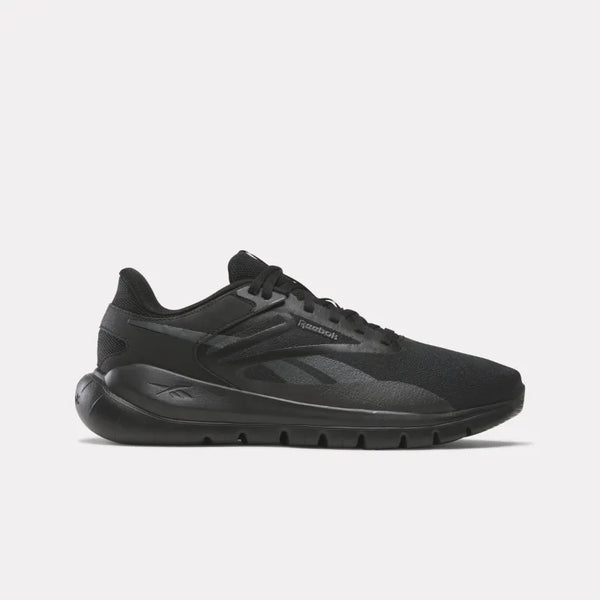
Treadmill shoes: Treadmill miles count too, so add them to your mileage count. The FloatZig Tread, Reebok’s first treadmill-specific running shoe, uses reinforced rubber in the areas that tend to take the most wear.
Signs your Running Shoes are Worn Out
Now that we’ve covered the mileage rule, it’s important to combine that information with how your shoes actually look and feel. If you're a few months in and wondering how often to replace running shoes and whether it’s time to replace yours, start by giving them a proper inspection. Look at the outsole, midsole and upper, but also pay attention to how they feel when you're running. Use the following as a checklist of sorts.
Worn or uneven outsole tread
Turn your shoes over and look at the outsole. Are the areas that make contact with the ground noticeably worn down? Is one side more worn than the other? Are sections of the tread almost smooth – or even bald? (Sounds drastic, we know.)
Some outsole wear is completely normal, but significant or uneven wear can affect grip and stability. This becomes particularly noticeable – and possibly dangerous – on wet roads, paths or other slippery surfaces, where a compromised tread may provide less traction.
For avid, competitive runners – those who are always keen to learn about their habits and up their own game, uneven wear can also provide useful information about your running pattern. If one part of the shoe is wearing way, way faster than another, it’s worth looking at the shoe alongside the other signs of deterioration rather than judging it on tread alone
Compressed or flattened midsole
The midsole is the cushioning layer between your foot and the outsole – and it takes a serious beating every time you run. It’s also one of the first places to show wear, even when the rest of the shoe still looks fresh.
Hold your shoe out, or place it on a bench and take a good look at it from the side. Can you see deep creases, dents or areas that look noticeably squashed? Now put them on. Do they feel flatter or firmer than you remember? Has that springy feeling disappeared? Does the left shoe feel different from the right?
These are all signs that the midsole foam may be past its best.
One easy way to tell? If you can, compare the shoes with a newer pair. Put them on and bounce around a little. If your old shoes feel noticeably less cushioned, responsive or bouncy, trust the feeling – it can be a much better indicator than how the shoes look.
Upper damage and heel breakdown
The upper part of the shoe does more than just look good. It helps keep your foot locked in place and supported as you move, so it’s also worth giving a quick once-over.
Look for fraying, holes, stretched-out material or anywhere the shoe feels looser than it used to. Then check the heel. If the heel counter – the structured bit around the back – is collapsing, misshapen or no longer holding your heel securely, your shoes may have lost some of their support.
A few scuffs? No big deal. Damage that changes the way your foot sits in the shoe? That’s another story.
And, once again, check how they feel. If your feet feel more tired after a run (and we’re talking consistently, not just on a bad day), or if your shoes feel less stable in general, or you're just noticing new niggles that weren't there before, it could be time to retire your trusty pair.
A quick checklist: is it time for a new pair of running shoes?
Not sure if your shoes have run their course? Run through these five checks:
1. Tread: the outsole is worn smooth in some places, or one side is wearing down much faster than the other.
2. Midsole: you can see deep creases or squashed areas, and the cushioning feels flatter or firmer than it used to.
3. Upper: there’s fraying, holes or stretched material, or your foot doesn’t feel as secure in the shoe as it once did.
4. Heel: the heel counter is collapsing, misshapen or no longer holding your heel properly in place.
5. Feel: your shoes feel less cushioned or stable, your feet are more tired after runs, or new irritations have crept in.
Ticking one of these checks isn’t always cause for concern on its own, but if you’re checking off two or three, especially once you’re past 300 miles, it’s probably time to start shopping.
What Are Some Ways to Extend the Life of Your Running Shoes?
Want to get more miles out of your favourite pair? A few easy habits can help keep them feeling fresher for longer.
Rotate between two pairs
If you’re running regularly, you know that sometimes, you just need a day off – and so do your shoes. Rotating between two pairs gives the midsole foam 24 to 48 hours to recover between runs, rather than asking the same pair to take all the impact.
There’s another bonus (besides just having more to choose from!): having two pairs makes it much easier to notice when one starts to feel flatter, less cushioned or simply not as good as they used to.
Use running shoes only for running
Trust us, we get it: once you find a pair of running shoes that feel good, it’s tempting to wear them everywhere. But every coffee run, dog walk, commute and gym session adds wear that won't show up in your running mileage.
The simple solution: keep your running shoes for running and have a separate pair for everyday wear or other workouts. Your running shoes will thank you for it.
Store them properly
Your running shoes don't need a spa day, but they do appreciate a little TLC. Store them somewhere cool, dry and well ventilated, away from direct heat and damp.
Just finished a rainy run? Let them dry naturally rather than putting them next to a radiator. Too much heat can speed up the breakdown of materials. The same goes for tossing them straight into your gym bag: prolonged moisture isn’t great for the materials, either.
Undo the laces properly
We’ve all done it: using one foot to slip the other shoe off your heel. While it’s the easiest and sometimes the quickest way to taking off a running shoe, it wears the heel counter down and stretches the shoe out of shape. Get in the habit of taking the time to undo and redo the laces properly.
What do you do with worn out running shoes?
Calling time on a pair doesn't necessarily mean sending them straight to the bin. If they're still in decent shape, look into donating them through a local organisation or reuse programme. Even if they’re no longer up to running or high-impact workouts, they could still have plenty of life left for someone who wants to enjoy them for walking, gardening or other lower-impact activities.
Recycling is another option where footwear recycling schemes are available. Just check what your local programme accepts before dropping them off as donations that don’t follow the rules could end up causing more problems for administrators and also end up in the bin.
The best rule of thumb for worn-out running shoes is to think of it as a role change rather than the end of the road. Your shoes might be retiring from running, but that doesn't necessarily mean they're done altogether.
Choosing Your Next Pair of Running Shoes with Reebok
So, you've checked the mileage, inspected the tread and midsole, and decided your current pair has run its course. Now what?
Start by thinking about how you actually run. Road or trail? Short runs or long distances? A few times a week or almost every day? Consider the cushioning, fit and feel you want from your next pair, too. Was there something you always wished your old shoes had that you want to prioritise in your search for a new pair? Or, if your old shoes worked well for you, would you happy looking for a similar – or even the exact same – ride? If your training has changed, it could also be a good opportunity to rethink what you need.
Reebok's running range includes shoes designed for different running styles and training needs. Once you know what you're looking for, explore the range and find the pair that feels right for your next run. Then get out there!
Läs hela artikeln
 CLASSIC LEATHER
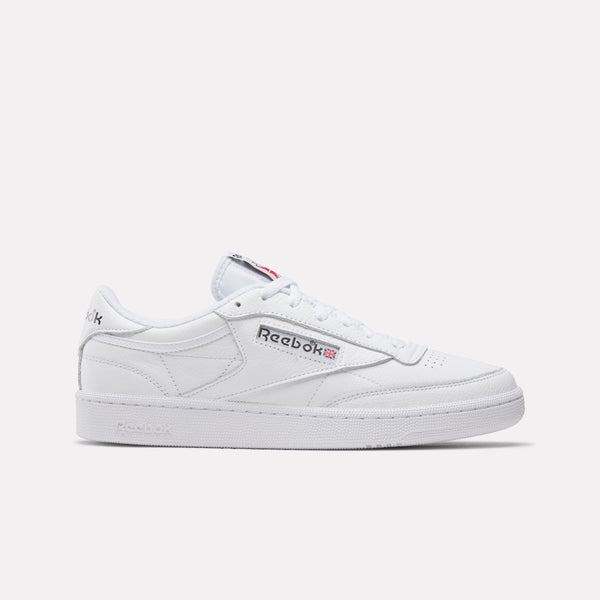
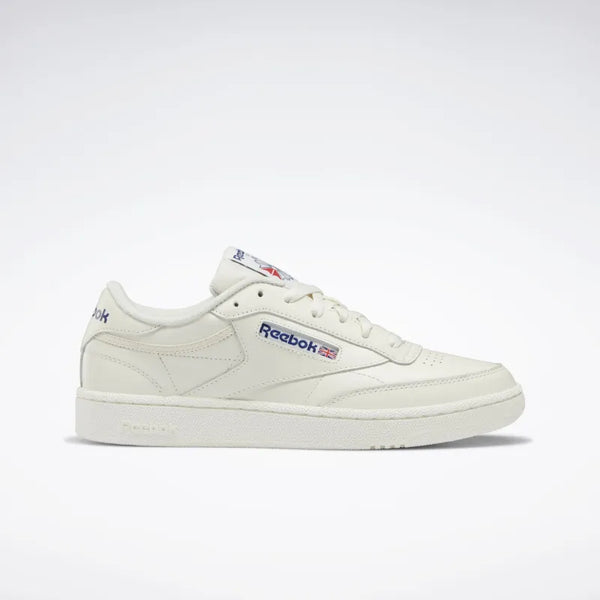
År 1983 lanserade Reebok Classic Leather som en löparsko. Till skillnad från sina samtida utmärkte den sig med sin rena och minimalistiska design. Användningen av premiumläder skiljde den från andra prestandainriktade sneakers från den tiden.
Läs hela artikeln
 Reebok firar den nya Nano X4 på Wodapalooza Miami
På Reebok Mobile Tech Lab, strategiskt placerad utanför huvudarenan, fick deltagarna möjlighet att byta in sina nuvarande sneakers – som skulle doneras – mot ett par helt nya Reebok Nano X4. Den interaktiva upplevelsen begränsades inte till evenemangsområdet, då det lokala frukoststället ‘Caffe Fiore’ omfamnade temat med exklusiva “L’Egg Day” Reebok-smörgåsar.
Läs hela artikeln
 Camilla Massa och Reebok
Camilla Massa är en idrottare som började sin sportresa på ett okonventionellt sätt. Efter att ha blivit ung mamma kände hon en önskan att ägna sig åt träning med ett djupare syfte, inte bara för att må bra i sin kropp, utan för att hitta en ny balans som inte var det ”lugna liv” hon började leva.
Läs hela artikeln
 UPPTÄCK REEBOK CLUB C LTD MED DESIGNERN EVAN BELFORTI
I nästan fyra decennier har Club C stått som ett bevis på tidlös stil. Ursprungligen en sko inspirerad av tennis men omfamnad som en livsstilsikon, är dess resa ett bevis på dess förmåga att överskrida sitt ursprungliga syfte och skapa en unik historia. Inom arvet av klassiska skor dras Evan Belforti – Senior Footwear Designer på Reebok LTD, som skapade Reebok Club C LTD – vanligtvis till berättelser som vävts genom år av utveckling inom en produktlinje. Men Club C fascinerar honom av en annan anledning: dess orubbliga konsekvens. I en värld i ständig förändring har Club C funnit sin plats i en mängd olika miljöer, och passar sömlöst in i nischer lika varierande som tennisbanan, skateparken och vardagsmodet.
Läs hela artikeln
 Reebok x RIISE Yoga
På en resa för att upptäcka nya gränser inom välmående har Reebok samarbetat med RIISE Yoga, en parisiskt oas dedikerad till kroppens och sinnets välbefinnande. Under Paris Fashion Week hölls här två dynamiska femtio minuters klasser som kombinerade de flytande rörelserna i Vinyasa Yoga med övningar för muskelstyrka.
Stjärnan i sessionerna var Reeboks Lux-kollektion, vars premiumfunktioner är designade för att säkerställa exceptionell komfort och en mångsidig passform i varje träningspass.
Förutom att främja sport betonade samarbetet vikten av mental hälsa som en del av en helhetssyn på en hälsosam livsstil. Partnerskapet mellan Reebok och RIISE Yoga var en inbjudan att ge sig ut på en resa som firar harmonin mellan fysisk och mental hälsa, allt med den oemotståndliga stilen från looksen i Lux-kollektionen.
Läs hela artikeln
 REEBOK LTD OCH MOCO MUSEUM
Reebok LTD och Moco Museum går samman för att främja rörelse genom konst och sport. Det detaljhandels-samarbete mellan Reebok och Moco presenteras som en öppen dörr till en ny hybrid av konst och sport, som erbjuder spännande möjligheter för personlig uttrycksfrihet och gemenskapsinteraktion. Med detta initiativ stärker Reebok LTD sina principer om innovation, excellens och konstnärlig skicklighet i samarbete med ett av de mest framstående samtida konstmuseerna just nu, vilket lockar en ny generation konstälskare.
Reebok LTD, premiumserien från det välkända sportklädmärket Reebok, och Moco Museum, ett samtida museum som representerar gatans röst, har tillkännagett ett samarbete som kombinerar sportens och konstens världar för att skapa en unik upplevelse. Detta samarbete syftar till att främja uttryck genom rörelse, kreativitet och innovation—en sammansmältning av två till synes olika världar, men som båda delar en passion för personligt uttryck och kreativ utforskning. Den första gemensamma aktiviteten i detta spännande samarbete blir lanseringen av exklusiva modeller från Reebok LTD-kollektionen i konceptbutiken på Moco Museum i Barcelona—det enda fysiska utrymmet i Spanien där den nya LTD-kollektionen presenteras.
Läs hela artikeln