
















Vigtigste historier
 OPDAG NANO-FAMILIEN
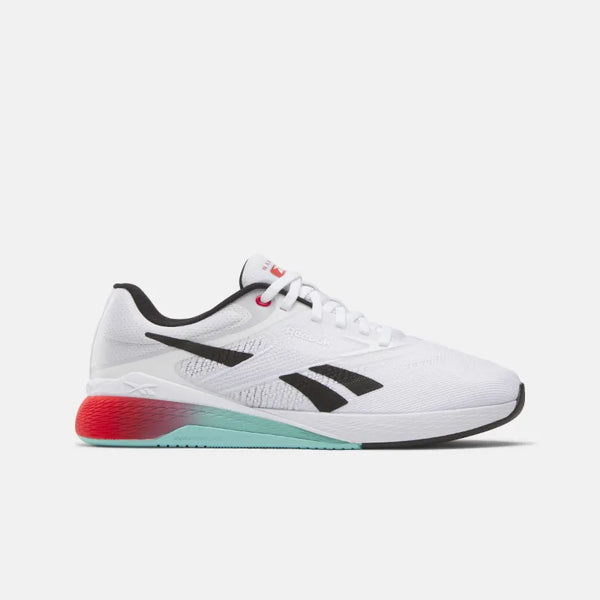
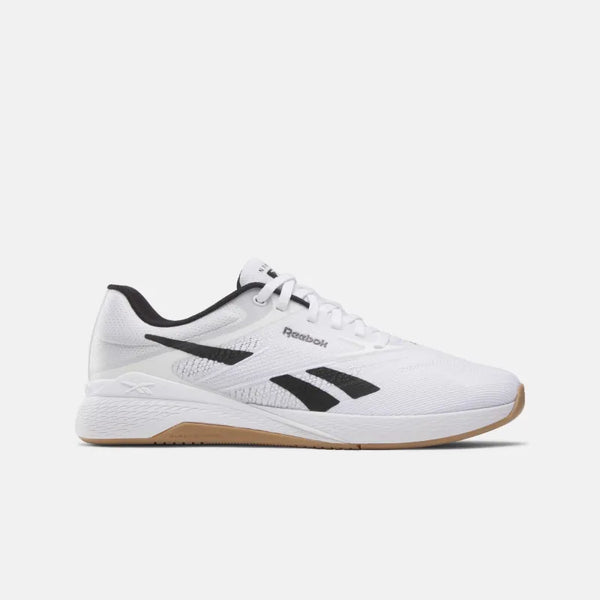
Nano X4 er ankommet
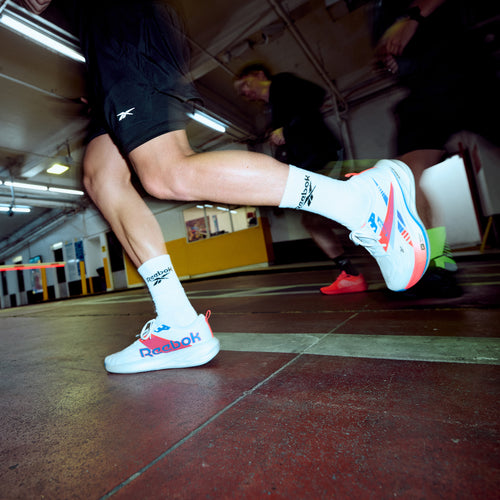
Nano X4-sneakers overstiger forventningerne og giver dem, der bærer dem, mulighed for altid at yde deres bedste i hver træning. Designet til at være den letteste og mest åndbare model i Nano-serien, garanterer disse træningssko optimal støtte og ydeevne.
Læs hele artiklen
 DEN NYE REEBOK LTD-KOLLEKTION
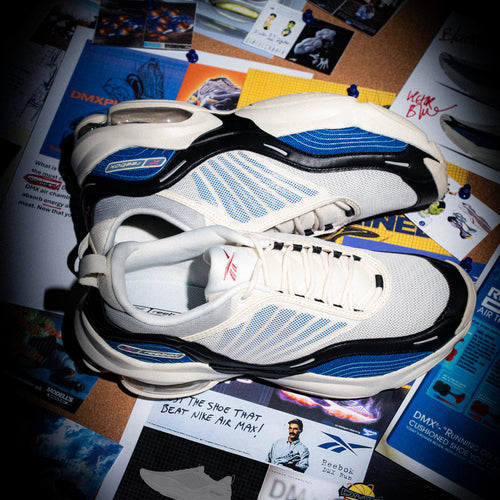
Reebok LTD – Learn. Test. Design. er en platform, der har til formål at frigøre individuel udtryk og inspirere til fremskridt, et rum der afdækker fortiden for at inspirere fremtiden, en kreativ proces i konstant udvikling. Kollektionen vil være tilgængelig globalt og vil inkludere nye produkter og oplevelser, der stemmer overens med Reeboks mission om at redefinere grænserne mellem sport og kultur. Fokus er på innovation, som finder plads i kollektioner af høj kvalitet, eksklusive samarbejder og særlige projekter, der bygger videre på Reeboks historie og tidløse designs.
Læs hele artiklen
 Cardi B X Reebok
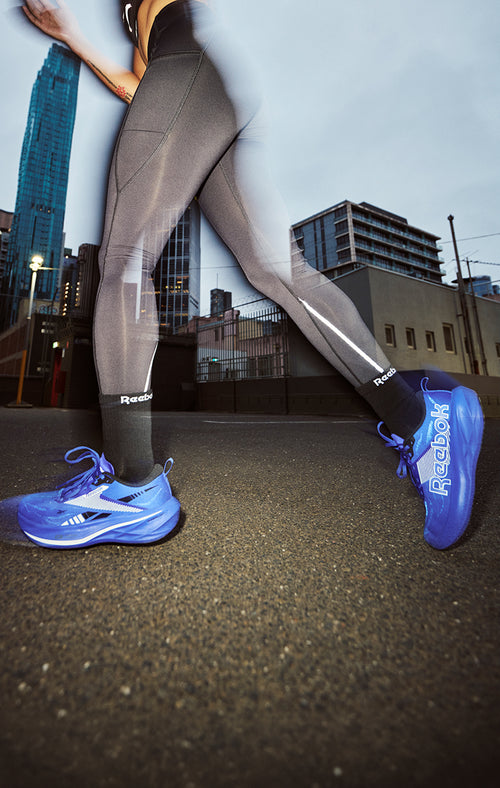
Reebok og Cardi B er igen gået sammen om at skabe en omfattende kollektion af fodtøj og tøj, der lever op til Cardi’s ikoniske energi, med titlen ‘Let Me Be… Next Level Energy.’ Inspireret af den elskede kunstners uovertrufne energi, indeholder denne to-delte kapsel en farvepalette, der afspejler nogle af de mest levende krystaller på Jorden. Stykkerne i kollektionen udstråler krystallernes dynamiske glød og forstærker deres energigivende effekter gennem en række forskellige teksturer og materialer.
Læs hele artiklen
Seneste historier
 How to Care for Running Shoes & Keep Them Fresh
Knowing how to care for running shoes is about more than giving them a quick rinse when they get muddy. The right routine can help keep your running shoes cleaner, fresher and performing better for longer, without putting unnecessary stress on their cushioning, adhesives or technical materials.
From hand washing and natural drying to storing, rotating and airing out your shoes, a few simple habits can make a real difference. Here’s how to keep your running shoes in good shape without damaging the materials that make them work.
When to Replace Running Shoes
Most runners hold on to their running shoes longer than they should. Part of the problem is that the signs of a pair of worn-out shoes aren't always obvious: they can still look perfectly wearable while the cushioning and internal support have started to break down. Another reason why runners hold onto them longer than they should is good old procrastination – putting off breaking in a new pair, usually whilst relying on advice that generally suggests a broad set of mileage rules for how long a pair of running shoes should last.
Don’t get us wrong: mileage is a useful guide, but it doesn't tell the whole story. So, when to replace running shoes? The answer depends on how often you run, where you run, your running style and the condition of the shoes themselves. This guide will help you work out whether your current pair still has life in it by using a combination of mileage, feel, and visible signs of wear – rather than relying on a single number.
Why Is Replacing Running Shoes Important?
Running shoes are designed to absorb the repeated impact of hitting the pavement (or grass, or gravel – you get the gist) and provide cushioning, stability and support as your foot moves through each stride. Over time, the materials that help do those things can lose their effectiveness. A worn pair of running shoes may feel noticeably less comfortable, less responsive or less supportive, even if there is still plenty of tread on the outsole.
This matters because running in shoes that no longer provide the level of cushioning or support you are used to can contribute to changes in how you move. For some runners, that might mean discomfort, blisters, or increased stress on the feet and lower limbs. Problems such as shin splints, plantar fasciitis and knee pain can have many causes, so worn shoes aren't necessarily the only reason for an injury, but footwear is definitely one factor worth considering when something starts to feel different once you tie up those laces and hit the ground.
As we’ve said, the tricky part is that shoe wear isn't always visible. The outsole might look relatively intact while the midsole foam underneath has become compressed. That's why knowing the signs to replace running shoes is more useful than simply waiting for a hole to appear. Keep reading – we’ll get to those in a bit.
How Long Do Running Shoes Last?
One of the most common guidelines is to replace running shoes after you’ve worn them for 300 to 500 miles, or roughly 480 to 800 kilometres. It’s a pretty big range – one that exists because there isn't a universal lifespan for every running shoe or every runner.
Mileage provides a useful starting point because every run adds impact and compression to the materials in the shoe – not to mention most runners keep track (even loosely) of how far they run, every time. But how quickly those materials deteriorate also depends on factors including your body weight, running style, terrain, training volume, shoe construction and even the conditions in which you run.
So, how many miles can you really go before replacing your running shoes? Instead of biding strictly by a mileage rule, look to a few different things:
· If you're approaching 300 miles, start paying closer attention to how your shoes feel and look, especially in terms of their ‘springiness’ and how supportive they feel.
· If you're somewhere around 500 miles, it's worth a more serious assessment of whether they are still performing as they should. The next section will outline a few specifics to look out for.
In terms of figuring out your mileage, your weekly routes can give you a rough idea. For instance, if you run:
10 miles per week: 300 to 500 miles is approximately 30-50 weeks, or 7-11 months
20 miles per week: approximately 15-25 weeks, or 4-6 months
30 miles per week: approximately 10-17 weeks, or 3-4 months
40 miles per week: approximately 7-12 weeks, or 2-3 months
Note that these are only estimates. A runner covering 20 miles a week on soft trails may get a different lifespan from their shoes compared to someone running the same distance almost entirely on roads. Similarly, two people can put the same mileage into the same shoe and experience very different levels of wear.
The important thing is not to treat 300 or 500 miles as an automatic expiry date. Mileage is a benchmark, not a verdict.Some shoes will show significant wear before they reach 300 miles, while others may remain comfortable beyond 500. Your shoes will tell you more than the number on your running app.
Does the type of running shoe affect how long it lasts?
It can, and it’s one reason the 300 to 500 mile range is only a guideline. Different running shoes are built for different jobs, so how quickly they wear depends on everything from the construction and cushioning to how and when you use them.
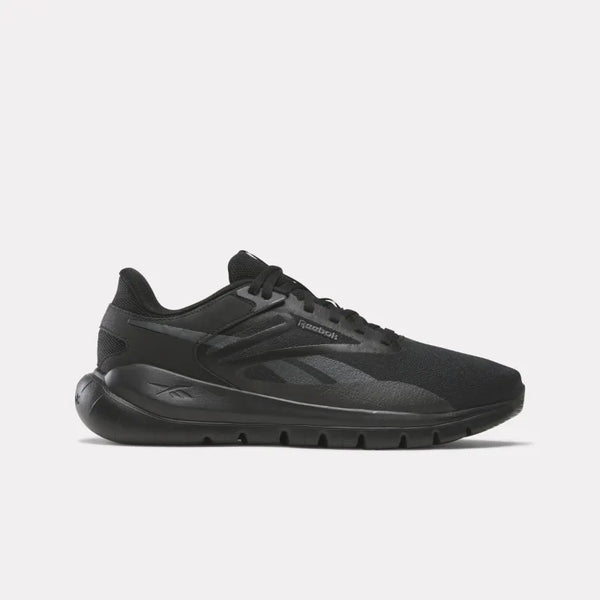
Daily trainers: These are the workhorses of your running rotation, built to handle your regular weekly mileage, from easy runs to longer sessions. They’re the shoes the 300 to 500 mile guideline is most relevant to. The Reebok FloatZig 2 is designed with versatility in mind, making it a reliable option for everything from everyday miles to longer runs.
Racing shoes: Lightweight racers, especially carbon-plated ‘super shoes’, are built to prioritise speed and responsiveness rather than maximum mileage. The plate itself holds up well, and their soft, springy foams deliver that energetic feel—but can lose some of their performance over time. Many runners find that racing shoes start to lose their edge somewhere between 150 and 300 miles, which is why they’re often saved for race day and key sessions rather than everyday training. If you’re racing in something like Reebok’s FloatZig X1, which pairs a full-length carbon plate with lightweight foam, it’s worth keeping it for the days that count.
Trail shoes: Trail shoes are usually tougher on the outside, with grippier lugs and sturdier uppers, but they also take more of a beating. Rocky, technical and uneven ground can wear down lugs and scuff uppers quickly, while softer, flat paths are much kinder on shoes. Keep an eye on the lugs: once they’re worn flat, you’ll have noticeably less grip on mud and loose ground.
Treadmill shoes: Treadmill miles count too, so add them to your mileage count. The FloatZig Tread, Reebok’s first treadmill-specific running shoe, uses reinforced rubber in the areas that tend to take the most wear.
Signs your Running Shoes are Worn Out
Now that we’ve covered the mileage rule, it’s important to combine that information with how your shoes actually look and feel. If you're a few months in and wondering how often to replace running shoes and whether it’s time to replace yours, start by giving them a proper inspection. Look at the outsole, midsole and upper, but also pay attention to how they feel when you're running. Use the following as a checklist of sorts.
Worn or uneven outsole tread
Turn your shoes over and look at the outsole. Are the areas that make contact with the ground noticeably worn down? Is one side more worn than the other? Are sections of the tread almost smooth – or even bald? (Sounds drastic, we know.)
Some outsole wear is completely normal, but significant or uneven wear can affect grip and stability. This becomes particularly noticeable – and possibly dangerous – on wet roads, paths or other slippery surfaces, where a compromised tread may provide less traction.
For avid, competitive runners – those who are always keen to learn about their habits and up their own game, uneven wear can also provide useful information about your running pattern. If one part of the shoe is wearing way, way faster than another, it’s worth looking at the shoe alongside the other signs of deterioration rather than judging it on tread alone
Compressed or flattened midsole
The midsole is the cushioning layer between your foot and the outsole – and it takes a serious beating every time you run. It’s also one of the first places to show wear, even when the rest of the shoe still looks fresh.
Hold your shoe out, or place it on a bench and take a good look at it from the side. Can you see deep creases, dents or areas that look noticeably squashed? Now put them on. Do they feel flatter or firmer than you remember? Has that springy feeling disappeared? Does the left shoe feel different from the right?
These are all signs that the midsole foam may be past its best.
One easy way to tell? If you can, compare the shoes with a newer pair. Put them on and bounce around a little. If your old shoes feel noticeably less cushioned, responsive or bouncy, trust the feeling – it can be a much better indicator than how the shoes look.
Upper damage and heel breakdown
The upper part of the shoe does more than just look good. It helps keep your foot locked in place and supported as you move, so it’s also worth giving a quick once-over.
Look for fraying, holes, stretched-out material or anywhere the shoe feels looser than it used to. Then check the heel. If the heel counter – the structured bit around the back – is collapsing, misshapen or no longer holding your heel securely, your shoes may have lost some of their support.
A few scuffs? No big deal. Damage that changes the way your foot sits in the shoe? That’s another story.
And, once again, check how they feel. If your feet feel more tired after a run (and we’re talking consistently, not just on a bad day), or if your shoes feel less stable in general, or you're just noticing new niggles that weren't there before, it could be time to retire your trusty pair.
A quick checklist: is it time for a new pair of running shoes?
Not sure if your shoes have run their course? Run through these five checks:
1. Tread: the outsole is worn smooth in some places, or one side is wearing down much faster than the other.
2. Midsole: you can see deep creases or squashed areas, and the cushioning feels flatter or firmer than it used to.
3. Upper: there’s fraying, holes or stretched material, or your foot doesn’t feel as secure in the shoe as it once did.
4. Heel: the heel counter is collapsing, misshapen or no longer holding your heel properly in place.
5. Feel: your shoes feel less cushioned or stable, your feet are more tired after runs, or new irritations have crept in.
Ticking one of these checks isn’t always cause for concern on its own, but if you’re checking off two or three, especially once you’re past 300 miles, it’s probably time to start shopping.
What Are Some Ways to Extend the Life of Your Running Shoes?
Want to get more miles out of your favourite pair? A few easy habits can help keep them feeling fresher for longer.
Rotate between two pairs
If you’re running regularly, you know that sometimes, you just need a day off – and so do your shoes. Rotating between two pairs gives the midsole foam 24 to 48 hours to recover between runs, rather than asking the same pair to take all the impact.
There’s another bonus (besides just having more to choose from!): having two pairs makes it much easier to notice when one starts to feel flatter, less cushioned or simply not as good as they used to.
Use running shoes only for running
Trust us, we get it: once you find a pair of running shoes that feel good, it’s tempting to wear them everywhere. But every coffee run, dog walk, commute and gym session adds wear that won't show up in your running mileage.
The simple solution: keep your running shoes for running and have a separate pair for everyday wear or other workouts. Your running shoes will thank you for it.
Store them properly
Your running shoes don't need a spa day, but they do appreciate a little TLC. Store them somewhere cool, dry and well ventilated, away from direct heat and damp.
Just finished a rainy run? Let them dry naturally rather than putting them next to a radiator. Too much heat can speed up the breakdown of materials. The same goes for tossing them straight into your gym bag: prolonged moisture isn’t great for the materials, either.
Undo the laces properly
We’ve all done it: using one foot to slip the other shoe off your heel. While it’s the easiest and sometimes the quickest way to taking off a running shoe, it wears the heel counter down and stretches the shoe out of shape. Get in the habit of taking the time to undo and redo the laces properly.
What do you do with worn out running shoes?
Calling time on a pair doesn't necessarily mean sending them straight to the bin. If they're still in decent shape, look into donating them through a local organisation or reuse programme. Even if they’re no longer up to running or high-impact workouts, they could still have plenty of life left for someone who wants to enjoy them for walking, gardening or other lower-impact activities.
Recycling is another option where footwear recycling schemes are available. Just check what your local programme accepts before dropping them off as donations that don’t follow the rules could end up causing more problems for administrators and also end up in the bin.
The best rule of thumb for worn-out running shoes is to think of it as a role change rather than the end of the road. Your shoes might be retiring from running, but that doesn't necessarily mean they're done altogether.
Choosing Your Next Pair of Running Shoes with Reebok
So, you've checked the mileage, inspected the tread and midsole, and decided your current pair has run its course. Now what?
Start by thinking about how you actually run. Road or trail? Short runs or long distances? A few times a week or almost every day? Consider the cushioning, fit and feel you want from your next pair, too. Was there something you always wished your old shoes had that you want to prioritise in your search for a new pair? Or, if your old shoes worked well for you, would you happy looking for a similar – or even the exact same – ride? If your training has changed, it could also be a good opportunity to rethink what you need.
Reebok's running range includes shoes designed for different running styles and training needs. Once you know what you're looking for, explore the range and find the pair that feels right for your next run. Then get out there!
Læs hele artiklen
 CLASSIC LEATHER
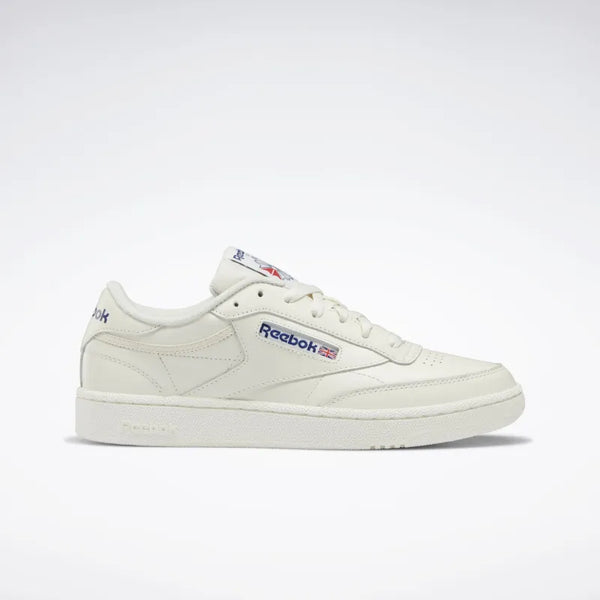
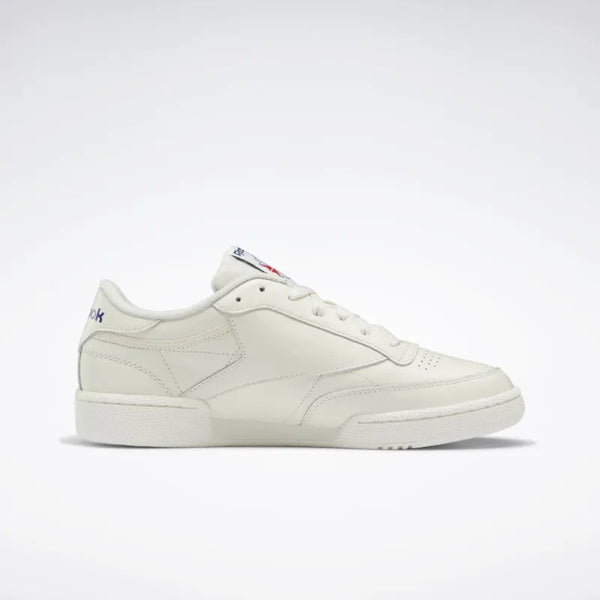
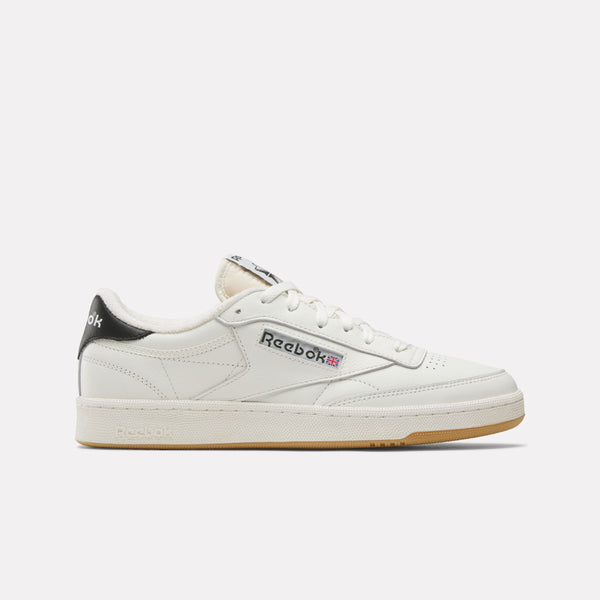
I 1983 introducerede Reebok Classic Leather som en løbesko. I modsætning til sine samtidige skilte den sig ud med sit rene og minimalistiske design. Brugen af premium læder af høj kvalitet adskilte den fra andre præstationsorienterede sneakers fra den tid.
Læs hele artiklen
 Reebok fejrer den nye Nano X4 ved Wodapalooza Miami
Ved Reebok Mobile Tech Lab, strategisk placeret uden for hovedstedet, havde deltagerne mulighed for at bytte deres nuværende sneakers – som skulle doneres – til et spritnyt par af de nyeste Reebok Nano X4. Den interaktive oplevelse var ikke begrænset til eventområdet, da det lokale morgenmadssted ‘Caffe Fiore’ omfavnede temaet med eksklusive “L’Egg Day” Reebok-sandwiches.
Læs hele artiklen
 Camilla Massa og Reebok
Camilla Massa er en atlet, der startede sin sportslige rejse på en utraditionel måde. Efter at være blevet ung mor, følte hun et ønske om at dedikere sig til træning med et dybere formål, ikke kun for at have det godt med sin krop, men for at finde en ny balance, der ikke var det "rolige liv", hun var begyndt at leve.
Læs hele artiklen
 OPDAG REEBOK CLUB C LTD SAMARBEJDET MED DESIGNEREN EVAN BELFORTI
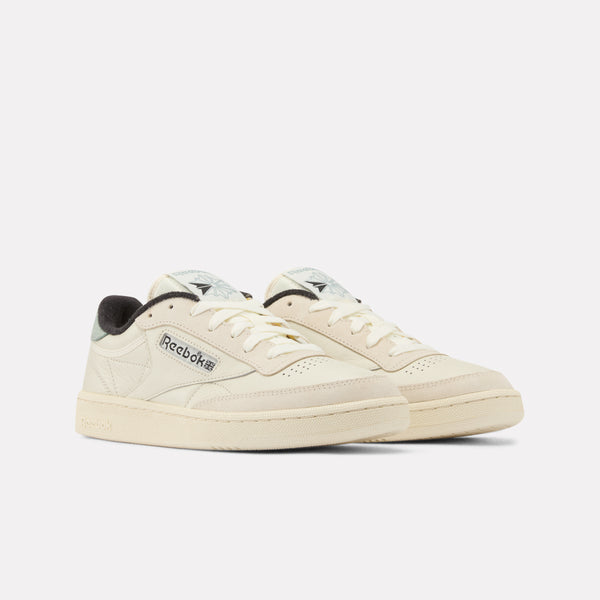
I næsten fire årtier har Club C stået som et bevis på tidløs stil. Oprindeligt en sko inspireret af tennis, men omfavnet som en livsstilsfavorit, er dens rejse et vidnesbyrd om dens evne til at overskride sit oprindelige formål og skabe en unik historie. Inden for arvestykke-fodtøj tiltrækkes Evan Belforti – Senior Footwear Designer hos Reebok LTD, som skabte Reebok Club C LTD – normalt af historier vævet gennem års udvikling i en produktlinje. Men Club C fascinerer ham af en anden grund: dens urokkelige konsistens. I en verden i konstant forandring har Club C fundet sin plads i mange forskellige sammenhænge og passer ubesværet ind i miljøer lige fra banen, skateparken til hverdagsmoden.
Læs hele artiklen
 Reebok x RIISE Yoga
På en rejse for at opdage nye grænser inden for velvære har Reebok samarbejdet med RIISE Yoga, en pariser-oase dedikeret til kroppens og sindets velbefindende. Under Paris Fashion Week blev der afholdt to dynamiske femtiminutters klasser her, som kombinerede de flydende bevægelser fra Vinyasa Yoga med øvelser til muskelstyrkelse.
Stjernen i sessionerne var Reeboks Lux-kollektion, hvis premium-funktioner er designet til at sikre enestående komfort og en alsidig pasform i enhver træning.
Udover at fremme sport understregede samarbejdet vigtigheden af mental sundhed som en del af en helhedsorienteret tilgang til en sund livsstil. Partnerskabet mellem Reebok og RIISE Yoga var en invitation til at begive sig ud på en rejse, der fejrer harmonien mellem fysisk og mental velvære, alt sammen med den umiskendelige stil fra lookene i Lux-kollektionen.
Læs hele artiklen
 REEBOK LTD OG MOCO MUSEUM
Reebok LTD og Moco Museum slår sig sammen for at fremme bevægelse gennem kunst og sport. Detailhandels-samarbejdet mellem Reebok og Moco præsenteres som en åben dør til en ny hybrid inden for kunst og sport, der tilbyder spændende muligheder for personlig udtryk og fællesskabsinteraktion. Med denne initiativ styrker Reebok LTD sine principper om innovation, ekspertise og kunstnerisk dygtighed i samarbejde med et af de mest fremtrædende samtidskunst-museer i øjeblikket, hvilket tiltrækker en ny generation af kunstelskere.
Reebok LTD, premium-serien fra det anerkendte sportsmærke Reebok, og Moco Museum, et samtidsmuseum der repræsenterer gadenes stemme, har annonceret et samarbejde, der kombinerer sportens og kunstens verdener for at skabe en unik oplevelse. Dette samarbejde har til formål at fremme udtryk gennem bevægelse, kreativitet og innovation—en fusion af to tilsyneladende forskellige verdener, men som begge deler en passion for personligt udtryk og kreativ udforskning. Den første fælles handling i dette spændende samarbejde bliver lanceringen af eksklusive modeller fra Reebok LTD-kollektionen i konceptbutikken på Moco Museum i Barcelona—det eneste fysiske sted i Spanien, hvor den nye LTD-kollektion præsenteres.
Læs hele artiklen
 LEG ER KLASSISK
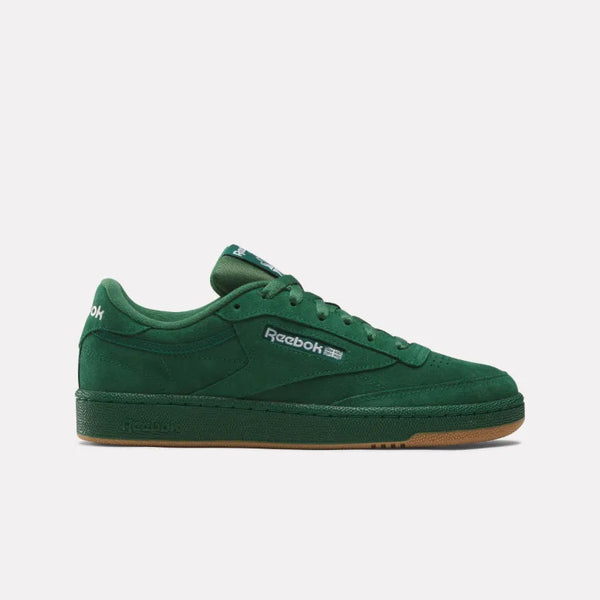
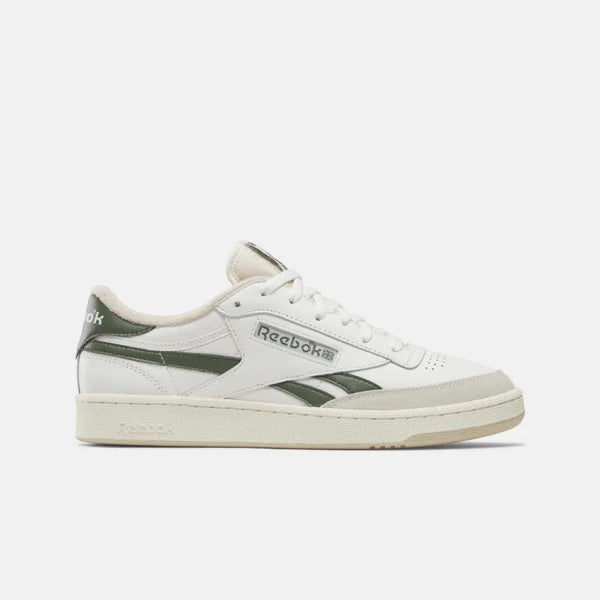
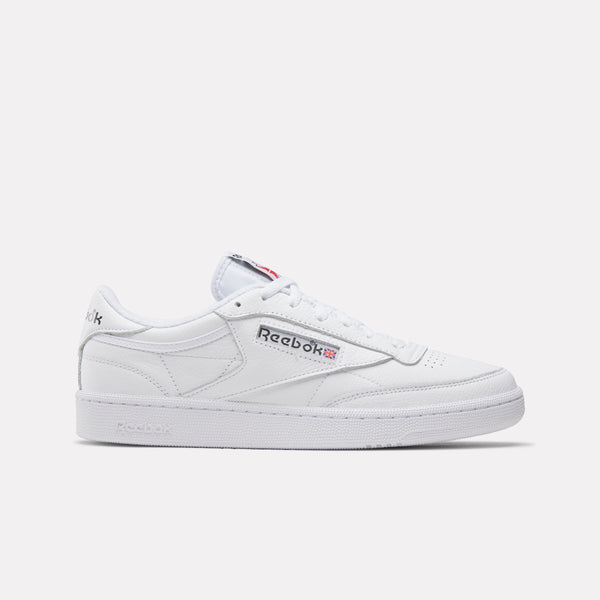
Når det kommer til stil, er klassikerne tidløse. Rene hvide lædersneakers, smarte træningsdragter, logo-T-shirts, behagelige hættetrøjer og joggingbukser, retro basketballsneakers, livsstilsitems der aldrig går af mode, casual sko og andre essentielle garderobestykker. Der er intet mere klassisk Reebok end Reebok Club C sneakers kombineret med herre- eller dametræningsdragter. Et komplet look, der skriger "tenniscore"!
Den nye Nano Court
Den ultimative sko til banesport. Den nye Nano Court fra Reebok er designet til at være den ultimative performance-sko til banesport som pickleball, padel og tennis. Med fokus på greb, stabilitet og holdbarhed fortsætter den Reeboks rige historie inden for træningssko.
Læs hele artiklen
 REEBOK X TOBE NWIGWE
TOBE NWIGWE
Rapper, sanger, skuespiller, tidligere college football-stjerne og... far. Vi er begejstrede for at udforske nye grænser inden for kreativitet og design, for når store talenter går sammen, kan de skabe noget ekstraordinært. I dag fødes et nyt partnerskab baseret på innovation og revolutionerende stil: gå ikke glip af det!
Læs hele artiklen