
















Κύρια Νέα
 ΑΝΑΚΑΛΥΨΤΕ ΤΗΝ ΟΙΚΟΓΕΝΕΙΑ NANO
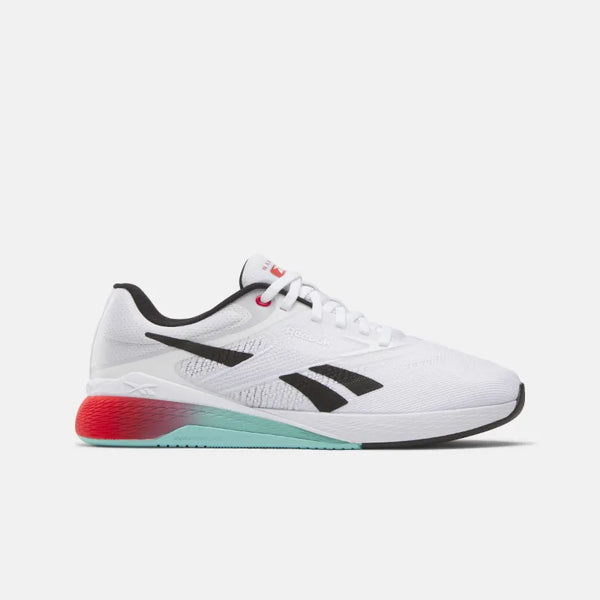
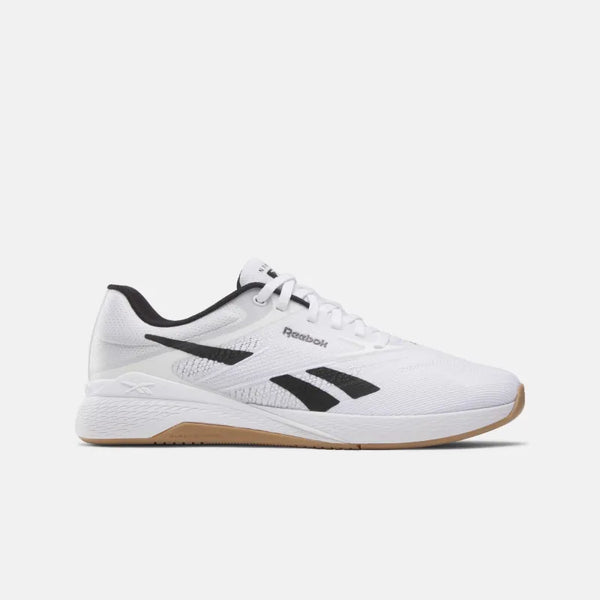
Τα Nano X4 έχουν φτάσει
Τα αθλητικά παπούτσια Nano X4 ξεπερνούν τις προσδοκίες, επιτρέποντας σε όσους τα φορούν να δίνουν πάντα τον καλύτερό τους εαυτό σε κάθε προπόνηση. Σχεδιασμένα να είναι το πιο ελαφρύ και αεριζόμενο μοντέλο στη σειρά Nano, αυτά τα παπούτσια προπόνησης εγγυώνται βέλτιστη υποστήριξη και απόδοση.
Διαβάστε ολόκληρο το άρθρο
 Η ΝΕΑ ΣΕΙΡΑ REEBOK LTD
Reebok LTD – Μάθε. Δοκίμασε. Σχεδίασε. είναι μια πλατφόρμα που στοχεύει να απελευθερώσει την ατομική έκφραση και να εμπνεύσει την πρόοδο, ένας χώρος που αποκαλύπτει το παρελθόν για να εμπνεύσει το μέλλον, μια δημιουργική διαδικασία σε συνεχή εξέλιξη. Η σειρά θα είναι διαθέσιμη παγκοσμίως και θα περιλαμβάνει νέα προϊόντα και εμπειρίες που ευθυγραμμίζονται με την αποστολή της Reebok να επαναπροσδιορίσει τα όρια μεταξύ αθλητισμού και κουλτούρας. Η έμφαση δίνεται στην καινοτομία, που βρίσκει χώρο σε συλλογές υψηλής ποιότητας, αποκλειστικές συνεργασίες και ειδικά έργα, βασιζόμενη στην ιστορία και τα διαχρονικά σχέδια της Reebok.
Διαβάστε ολόκληρο το άρθρο
 Cardi B X Reebok
Η Reebok και η Cardi B συνεργάστηκαν ξανά για να δημιουργήσουν μια εκτενή συλλογή υποδημάτων και ενδυμάτων που αντανακλά την εμβληματική ενέργεια της Cardi, με τίτλο «Let Me Be… Next Level Energy». Εμπνευσμένη από την ασύγκριτη ενέργεια της αγαπημένης καλλιτέχνιδας, αυτή η δίπλευρη συλλογή διαθέτει μια παλέτα χρωμάτων που αντικατοπτρίζει μερικά από τα πιο ζωντανά κρύσταλλα της Γης. Τα κομμάτια της σειράς εκπέμπουν τη δυναμική λάμψη των κρυστάλλων και ενισχύουν τις ενεργειακές τους επιδράσεις μέσα από μια ποικιλία υφών και υλικών.
Διαβάστε ολόκληρο το άρθρο
Τελευταίες Ιστορίες
 How to Care for Running Shoes & Keep Them Fresh
Knowing how to care for running shoes is about more than giving them a quick rinse when they get muddy. The right routine can help keep your running shoes cleaner, fresher and performing better for longer, without putting unnecessary stress on their cushioning, adhesives or technical materials.
From hand washing and natural drying to storing, rotating and airing out your shoes, a few simple habits can make a real difference. Here’s how to keep your running shoes in good shape without damaging the materials that make them work.
When to Replace Running Shoes
Most runners hold on to their running shoes longer than they should. Part of the problem is that the signs of a pair of worn-out shoes aren't always obvious: they can still look perfectly wearable while the cushioning and internal support have started to break down. Another reason why runners hold onto them longer than they should is good old procrastination – putting off breaking in a new pair, usually whilst relying on advice that generally suggests a broad set of mileage rules for how long a pair of running shoes should last.
Don’t get us wrong: mileage is a useful guide, but it doesn't tell the whole story. So, when to replace running shoes? The answer depends on how often you run, where you run, your running style and the condition of the shoes themselves. This guide will help you work out whether your current pair still has life in it by using a combination of mileage, feel, and visible signs of wear – rather than relying on a single number.
Why Is Replacing Running Shoes Important?
Running shoes are designed to absorb the repeated impact of hitting the pavement (or grass, or gravel – you get the gist) and provide cushioning, stability and support as your foot moves through each stride. Over time, the materials that help do those things can lose their effectiveness. A worn pair of running shoes may feel noticeably less comfortable, less responsive or less supportive, even if there is still plenty of tread on the outsole.
This matters because running in shoes that no longer provide the level of cushioning or support you are used to can contribute to changes in how you move. For some runners, that might mean discomfort, blisters, or increased stress on the feet and lower limbs. Problems such as shin splints, plantar fasciitis and knee pain can have many causes, so worn shoes aren't necessarily the only reason for an injury, but footwear is definitely one factor worth considering when something starts to feel different once you tie up those laces and hit the ground.
As we’ve said, the tricky part is that shoe wear isn't always visible. The outsole might look relatively intact while the midsole foam underneath has become compressed. That's why knowing the signs to replace running shoes is more useful than simply waiting for a hole to appear. Keep reading – we’ll get to those in a bit.
How Long Do Running Shoes Last?
One of the most common guidelines is to replace running shoes after you’ve worn them for 300 to 500 miles, or roughly 480 to 800 kilometres. It’s a pretty big range – one that exists because there isn't a universal lifespan for every running shoe or every runner.
Mileage provides a useful starting point because every run adds impact and compression to the materials in the shoe – not to mention most runners keep track (even loosely) of how far they run, every time. But how quickly those materials deteriorate also depends on factors including your body weight, running style, terrain, training volume, shoe construction and even the conditions in which you run.
So, how many miles can you really go before replacing your running shoes? Instead of biding strictly by a mileage rule, look to a few different things:
· If you're approaching 300 miles, start paying closer attention to how your shoes feel and look, especially in terms of their ‘springiness’ and how supportive they feel.
· If you're somewhere around 500 miles, it's worth a more serious assessment of whether they are still performing as they should. The next section will outline a few specifics to look out for.
In terms of figuring out your mileage, your weekly routes can give you a rough idea. For instance, if you run:
10 miles per week: 300 to 500 miles is approximately 30-50 weeks, or 7-11 months
20 miles per week: approximately 15-25 weeks, or 4-6 months
30 miles per week: approximately 10-17 weeks, or 3-4 months
40 miles per week: approximately 7-12 weeks, or 2-3 months
Note that these are only estimates. A runner covering 20 miles a week on soft trails may get a different lifespan from their shoes compared to someone running the same distance almost entirely on roads. Similarly, two people can put the same mileage into the same shoe and experience very different levels of wear.
The important thing is not to treat 300 or 500 miles as an automatic expiry date. Mileage is a benchmark, not a verdict.Some shoes will show significant wear before they reach 300 miles, while others may remain comfortable beyond 500. Your shoes will tell you more than the number on your running app.
Does the type of running shoe affect how long it lasts?
It can, and it’s one reason the 300 to 500 mile range is only a guideline. Different running shoes are built for different jobs, so how quickly they wear depends on everything from the construction and cushioning to how and when you use them.
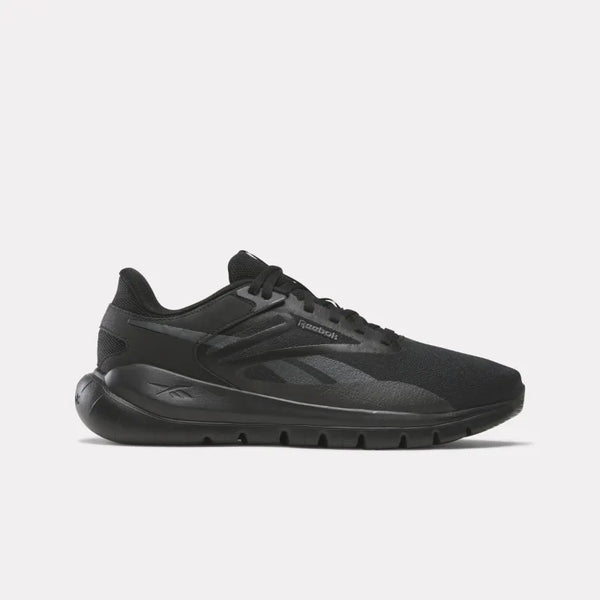
Daily trainers: These are the workhorses of your running rotation, built to handle your regular weekly mileage, from easy runs to longer sessions. They’re the shoes the 300 to 500 mile guideline is most relevant to. The Reebok FloatZig 2 is designed with versatility in mind, making it a reliable option for everything from everyday miles to longer runs.
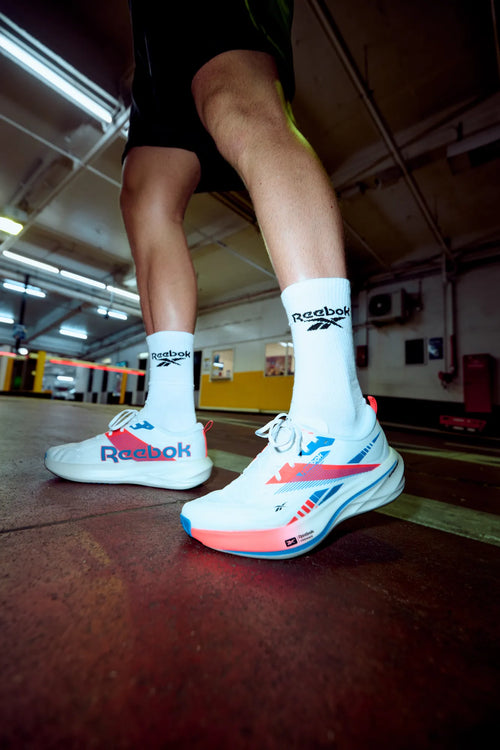
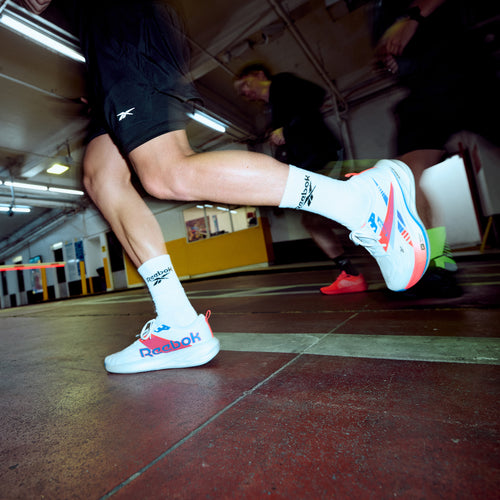
Racing shoes: Lightweight racers, especially carbon-plated ‘super shoes’, are built to prioritise speed and responsiveness rather than maximum mileage. The plate itself holds up well, and their soft, springy foams deliver that energetic feel—but can lose some of their performance over time. Many runners find that racing shoes start to lose their edge somewhere between 150 and 300 miles, which is why they’re often saved for race day and key sessions rather than everyday training. If you’re racing in something like Reebok’s FloatZig X1, which pairs a full-length carbon plate with lightweight foam, it’s worth keeping it for the days that count.
Trail shoes: Trail shoes are usually tougher on the outside, with grippier lugs and sturdier uppers, but they also take more of a beating. Rocky, technical and uneven ground can wear down lugs and scuff uppers quickly, while softer, flat paths are much kinder on shoes. Keep an eye on the lugs: once they’re worn flat, you’ll have noticeably less grip on mud and loose ground.
Treadmill shoes: Treadmill miles count too, so add them to your mileage count. The FloatZig Tread, Reebok’s first treadmill-specific running shoe, uses reinforced rubber in the areas that tend to take the most wear.
Signs your Running Shoes are Worn Out
Now that we’ve covered the mileage rule, it’s important to combine that information with how your shoes actually look and feel. If you're a few months in and wondering how often to replace running shoes and whether it’s time to replace yours, start by giving them a proper inspection. Look at the outsole, midsole and upper, but also pay attention to how they feel when you're running. Use the following as a checklist of sorts.
Worn or uneven outsole tread
Turn your shoes over and look at the outsole. Are the areas that make contact with the ground noticeably worn down? Is one side more worn than the other? Are sections of the tread almost smooth – or even bald? (Sounds drastic, we know.)
Some outsole wear is completely normal, but significant or uneven wear can affect grip and stability. This becomes particularly noticeable – and possibly dangerous – on wet roads, paths or other slippery surfaces, where a compromised tread may provide less traction.
For avid, competitive runners – those who are always keen to learn about their habits and up their own game, uneven wear can also provide useful information about your running pattern. If one part of the shoe is wearing way, way faster than another, it’s worth looking at the shoe alongside the other signs of deterioration rather than judging it on tread alone
Compressed or flattened midsole
The midsole is the cushioning layer between your foot and the outsole – and it takes a serious beating every time you run. It’s also one of the first places to show wear, even when the rest of the shoe still looks fresh.
Hold your shoe out, or place it on a bench and take a good look at it from the side. Can you see deep creases, dents or areas that look noticeably squashed? Now put them on. Do they feel flatter or firmer than you remember? Has that springy feeling disappeared? Does the left shoe feel different from the right?
These are all signs that the midsole foam may be past its best.
One easy way to tell? If you can, compare the shoes with a newer pair. Put them on and bounce around a little. If your old shoes feel noticeably less cushioned, responsive or bouncy, trust the feeling – it can be a much better indicator than how the shoes look.
Upper damage and heel breakdown
The upper part of the shoe does more than just look good. It helps keep your foot locked in place and supported as you move, so it’s also worth giving a quick once-over.
Look for fraying, holes, stretched-out material or anywhere the shoe feels looser than it used to. Then check the heel. If the heel counter – the structured bit around the back – is collapsing, misshapen or no longer holding your heel securely, your shoes may have lost some of their support.
A few scuffs? No big deal. Damage that changes the way your foot sits in the shoe? That’s another story.
And, once again, check how they feel. If your feet feel more tired after a run (and we’re talking consistently, not just on a bad day), or if your shoes feel less stable in general, or you're just noticing new niggles that weren't there before, it could be time to retire your trusty pair.
A quick checklist: is it time for a new pair of running shoes?
Not sure if your shoes have run their course? Run through these five checks:
1. Tread: the outsole is worn smooth in some places, or one side is wearing down much faster than the other.
2. Midsole: you can see deep creases or squashed areas, and the cushioning feels flatter or firmer than it used to.
3. Upper: there’s fraying, holes or stretched material, or your foot doesn’t feel as secure in the shoe as it once did.
4. Heel: the heel counter is collapsing, misshapen or no longer holding your heel properly in place.
5. Feel: your shoes feel less cushioned or stable, your feet are more tired after runs, or new irritations have crept in.
Ticking one of these checks isn’t always cause for concern on its own, but if you’re checking off two or three, especially once you’re past 300 miles, it’s probably time to start shopping.
What Are Some Ways to Extend the Life of Your Running Shoes?
Want to get more miles out of your favourite pair? A few easy habits can help keep them feeling fresher for longer.
Rotate between two pairs
If you’re running regularly, you know that sometimes, you just need a day off – and so do your shoes. Rotating between two pairs gives the midsole foam 24 to 48 hours to recover between runs, rather than asking the same pair to take all the impact.
There’s another bonus (besides just having more to choose from!): having two pairs makes it much easier to notice when one starts to feel flatter, less cushioned or simply not as good as they used to.
Use running shoes only for running
Trust us, we get it: once you find a pair of running shoes that feel good, it’s tempting to wear them everywhere. But every coffee run, dog walk, commute and gym session adds wear that won't show up in your running mileage.
The simple solution: keep your running shoes for running and have a separate pair for everyday wear or other workouts. Your running shoes will thank you for it.
Store them properly
Your running shoes don't need a spa day, but they do appreciate a little TLC. Store them somewhere cool, dry and well ventilated, away from direct heat and damp.
Just finished a rainy run? Let them dry naturally rather than putting them next to a radiator. Too much heat can speed up the breakdown of materials. The same goes for tossing them straight into your gym bag: prolonged moisture isn’t great for the materials, either.
Undo the laces properly
We’ve all done it: using one foot to slip the other shoe off your heel. While it’s the easiest and sometimes the quickest way to taking off a running shoe, it wears the heel counter down and stretches the shoe out of shape. Get in the habit of taking the time to undo and redo the laces properly.
What do you do with worn out running shoes?
Calling time on a pair doesn't necessarily mean sending them straight to the bin. If they're still in decent shape, look into donating them through a local organisation or reuse programme. Even if they’re no longer up to running or high-impact workouts, they could still have plenty of life left for someone who wants to enjoy them for walking, gardening or other lower-impact activities.
Recycling is another option where footwear recycling schemes are available. Just check what your local programme accepts before dropping them off as donations that don’t follow the rules could end up causing more problems for administrators and also end up in the bin.
The best rule of thumb for worn-out running shoes is to think of it as a role change rather than the end of the road. Your shoes might be retiring from running, but that doesn't necessarily mean they're done altogether.
Choosing Your Next Pair of Running Shoes with Reebok
So, you've checked the mileage, inspected the tread and midsole, and decided your current pair has run its course. Now what?
Start by thinking about how you actually run. Road or trail? Short runs or long distances? A few times a week or almost every day? Consider the cushioning, fit and feel you want from your next pair, too. Was there something you always wished your old shoes had that you want to prioritise in your search for a new pair? Or, if your old shoes worked well for you, would you happy looking for a similar – or even the exact same – ride? If your training has changed, it could also be a good opportunity to rethink what you need.
Reebok's running range includes shoes designed for different running styles and training needs. Once you know what you're looking for, explore the range and find the pair that feels right for your next run. Then get out there!
Διαβάστε ολόκληρο το άρθρο
 CLASSIC LEATHER
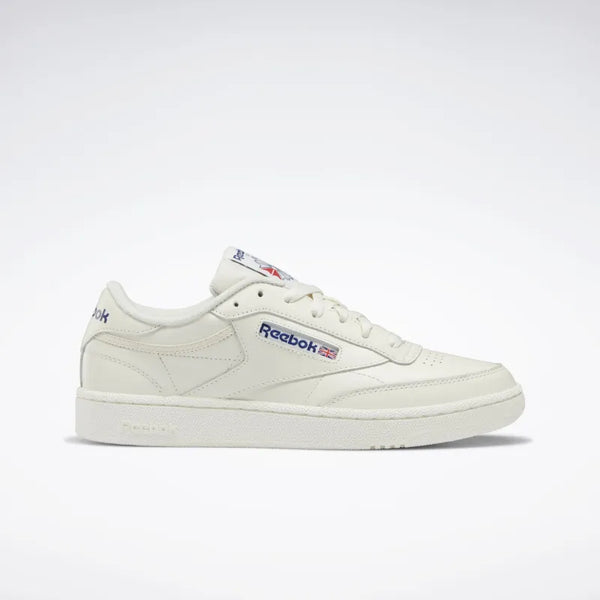
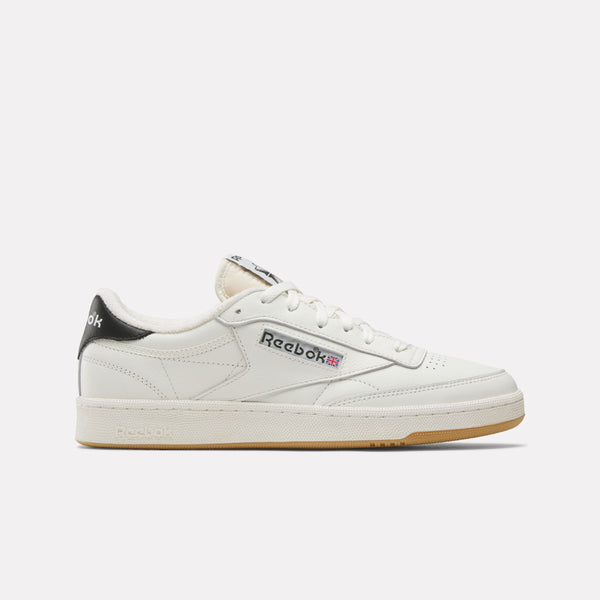
Το 1983, η Reebok παρουσίασε το Classic Leather ως παπούτσι για τρέξιμο. Σε αντίθεση με τα σύγχρονά του, ξεχώριζε με τον καθαρό και μινιμαλιστικό σχεδιασμό του. Η χρήση δέρματος υψηλής ποιότητας το διαφοροποιούσε από άλλα αθλητικά παπούτσια απόδοσης εκείνης της εποχής.
Διαβάστε ολόκληρο το άρθρο
 Η Reebok γιορτάζει το νέο Nano X4 στο Wodapalooza του Μαϊάμι
Στο Reebok Mobile Tech Lab, που ήταν στρατηγικά τοποθετημένο έξω από τον κύριο χώρο της εκδήλωσης, οι συμμετέχοντες είχαν την ευκαιρία να ανταλλάξουν τα τρέχοντα αθλητικά τους παπούτσια – που προορίζονταν για δωρεά – με ένα ολοκαίνουργιο ζευγάρι από τα τελευταία Reebok Nano X4. Η διαδραστική εμπειρία δεν περιοριζόταν μόνο στον χώρο της εκδήλωσης, καθώς το τοπικό πρωινό στέκι «Caffe Fiore» υιοθέτησε το θέμα με αποκλειστικά σάντουιτς “L’Egg Day” Reebok.
Διαβάστε ολόκληρο το άρθρο
 Καμίλα Μάσα και Reebok
Η Camilla Massa είναι αθλήτρια που ξεκίνησε την αθλητική της πορεία με έναν μη συμβατικό τρόπο. Αφού έγινε μητέρα σε νεαρή ηλικία, ένιωσε την επιθυμία να αφιερωθεί στην προπόνηση για έναν βαθύτερο σκοπό, όχι μόνο για να νιώθει καλά με το σώμα της, αλλά για να βρει μια νέα ισορροπία που δεν ήταν η «ήσυχη ζωή» που άρχιζε να ζει.
Διαβάστε ολόκληρο το άρθρο
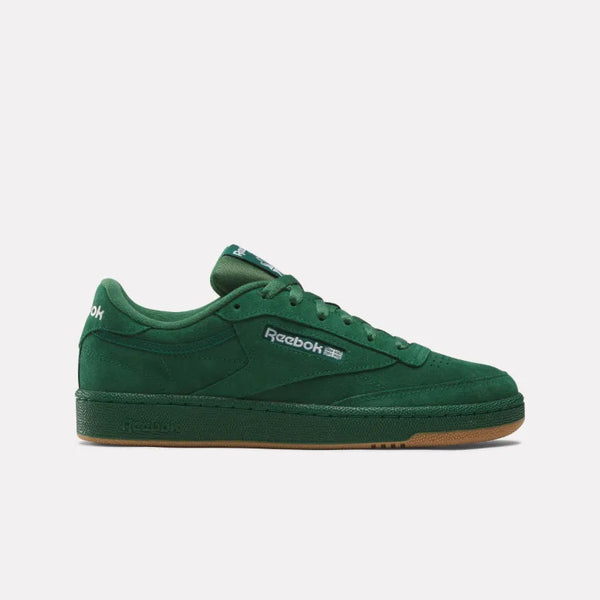
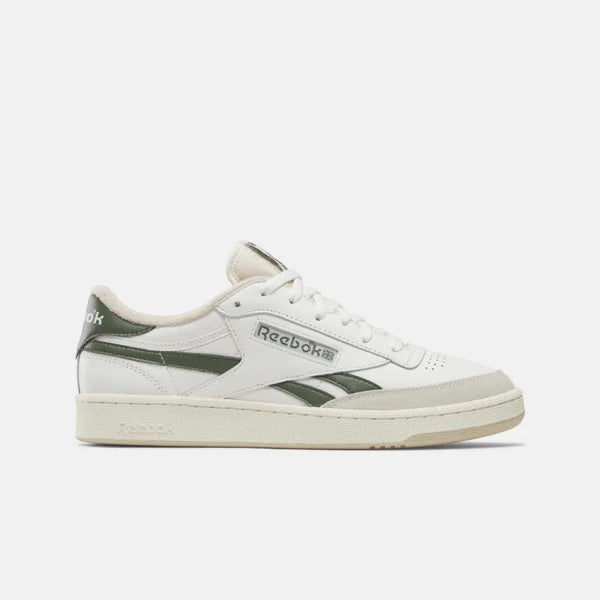
 ΑΝΑΚΑΛΥΨΤΕ ΤΑ REEBOK CLUB C LTD ΜΕ ΤΟΝ ΣΧΕΔΙΑΣΤΗ EVAN BELFORTI
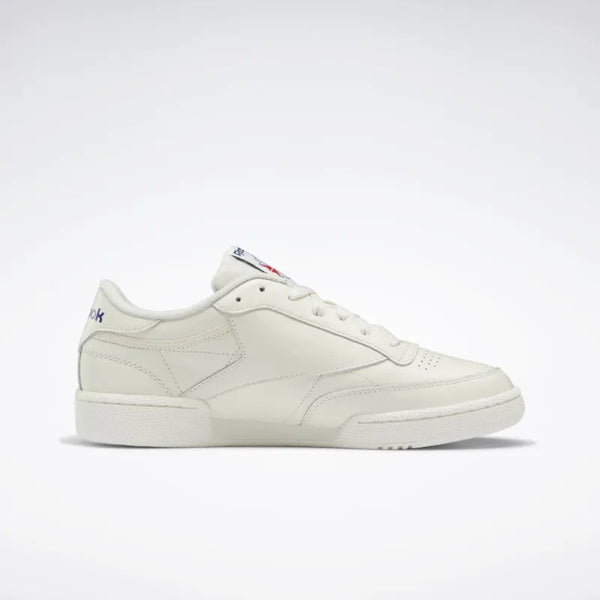
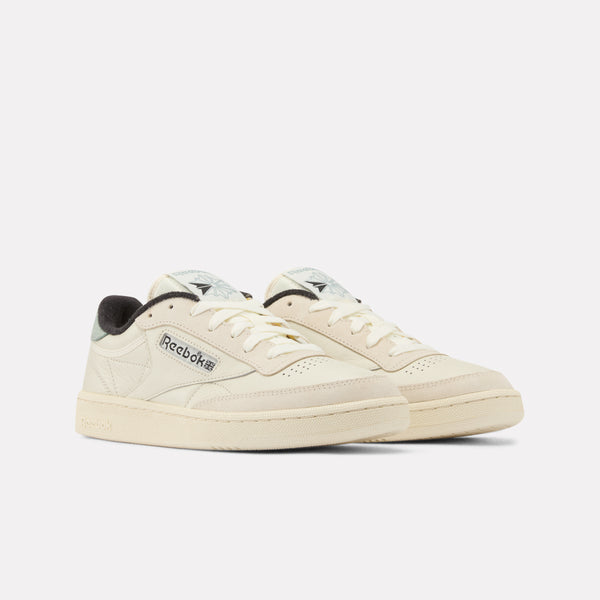
Για σχεδόν τέσσερις δεκαετίες, το Club C αποτελεί απόδειξη διαχρονικού στυλ. Αρχικά σχεδιασμένο ως παπούτσι εμπνευσμένο από το τένις αλλά υιοθετημένο ως βασικό στοιχείο του τρόπου ζωής, το ταξίδι του αποδεικνύει την ικανότητά του να υπερβαίνει τον αρχικό του σκοπό και να χαράσσει μια μοναδική ιστορία. Στον χώρο των παπουτσιών με κληρονομιά, ο Evan Belforti – Ανώτερος Σχεδιαστής Υποδημάτων στη Reebok LTD, που δημιούργησε το Reebok Club C LTD – συνήθως ελκύεται από ιστορίες που πλέκονται μέσα από χρόνια εξέλιξης σε μια σειρά προϊόντων. Ωστόσο, το Club C τον γοητεύει για έναν διαφορετικό λόγο: την αδιάλειπτη συνέπειά του. Σε έναν κόσμο που αλλάζει συνεχώς, το Club C έχει βρει τη θέση του σε πολλαπλά περιβάλλοντα, ενσωματώνοντας άψογα σε διαφορετικά πεδία όπως το γήπεδο, το skatepark και τη καθημερινή μόδα.
Διαβάστε ολόκληρο το άρθρο
 Reebok x RIISE Γιόγκα
Σε ένα ταξίδι για την ανακάλυψη των νέων ορίων της ευεξίας, η Reebok συνεργάστηκε με το RIISE Yoga, μια παριζιάνικη όαση αφιερωμένη στην ευημερία του σώματος και του νου. Κατά τη διάρκεια της Εβδομάδας Μόδας του Παρισιού, πραγματοποιήθηκαν εδώ δύο δυναμικά μαθήματα πενήντα λεπτών, συνδυάζοντας τις ρευστές κινήσεις του Vinyasa Yoga με ασκήσεις ενδυνάμωσης μυών.
Το αστέρι των συνεδριών ήταν η συλλογή Lux της Reebok, των οποίων τα premium χαρακτηριστικά έχουν σχεδιαστεί για να εξασφαλίζουν εξαιρετική άνεση και ευέλικτη εφαρμογή σε κάθε προπόνηση.
Εκτός από την προώθηση του αθλητισμού, η συνεργασία τόνισε τη σημασία της ψυχικής υγείας ως μέρος μιας ολιστικής προσέγγισης σε έναν υγιεινό τρόπο ζωής. Η συνεργασία μεταξύ της Reebok και του RIISE Yoga ήταν μια πρόσκληση να ξεκινήσει ένα ταξίδι που γιορτάζει την αρμονία μεταξύ σωματικής και ψυχικής ευεξίας, όλα με το αξεπέραστο στυλ των εμφανίσεων από τη συλλογή Lux.
Διαβάστε ολόκληρο το άρθρο
 REEBOK LTD ΚΑΙ MOCO MUSEUM
Η Reebok LTD και το Μουσείο Moco ενώνουν τις δυνάμεις τους για να προωθήσουν την κίνηση μέσω της τέχνης και του αθλητισμού. Η συνεργασία λιανικής μεταξύ της Reebok και του Moco παρουσιάζεται ως μια ανοιχτή πόρτα σε ένα νέο υβρίδιο τέχνης και αθλητισμού, προσφέροντας συναρπαστικές ευκαιρίες για προσωπική έκφραση και αλληλεπίδραση της κοινότητας. Με αυτή την πρωτοβουλία, η Reebok LTD ενισχύει τις αρχές της καινοτομίας, της αριστείας και της καλλιτεχνικής δεξιότητας σε συνεργασία με ένα από τα πιο εξέχοντα μουσεία σύγχρονης τέχνης της εποχής, προσελκύοντας μια νέα γενιά λάτρεις της τέχνης.
Η Reebok LTD, η premium σειρά του γνωστού αθλητικού brand Reebok, και το μουσείο Moco, ένα σύγχρονο μουσείο που εκπροσωπεί τη φωνή του δρόμου, ανακοίνωσαν μια συνεργασία που συνδυάζει τους κόσμους του αθλητισμού και της τέχνης για να δημιουργήσουν μια μοναδική εμπειρία. Αυτή η συνεργασία στοχεύει στην προώθηση της έκφρασης μέσω της κίνησης, της δημιουργικότητας και της καινοτομίας—μια σύντηξη δύο φαινομενικά διαφορετικών κόσμων, που όμως μοιράζονται το πάθος για προσωπική έκφραση και δημιουργική εξερεύνηση. Η πρώτη κοινή δράση αυτής της συναρπαστικής συνεργασίας θα είναι η κυκλοφορία αποκλειστικών μοντέλων από τη συλλογή Reebok LTD στο concept store του Μουσείου Moco στη Βαρκελώνη—ο μοναδικός φυσικός χώρος στην Ισπανία όπου παρουσιάζεται η νέα συλλογή LTD.
Διαβάστε ολόκληρο το άρθρο
 ΤΟ ΠΑΙΧΝΙΔΙ ΕΙΝΑΙ ΚΛΑΣΙΚΟ
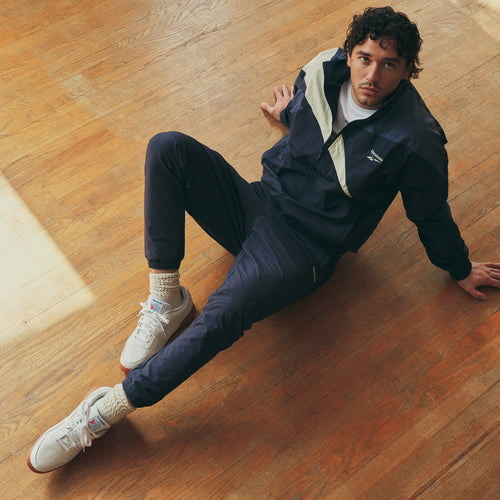
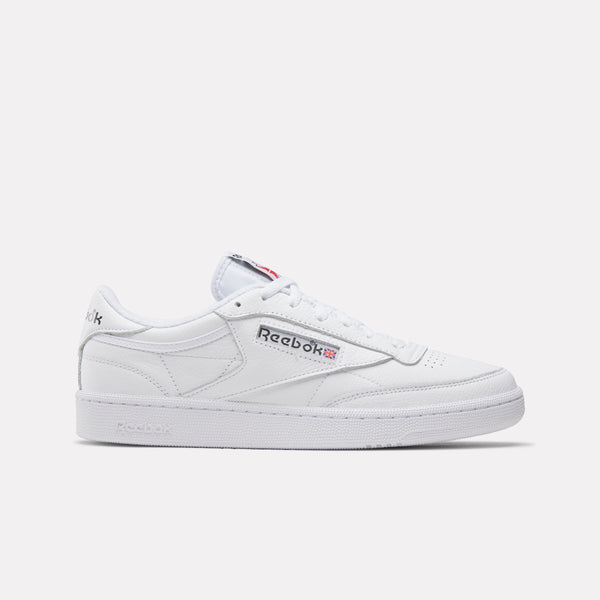
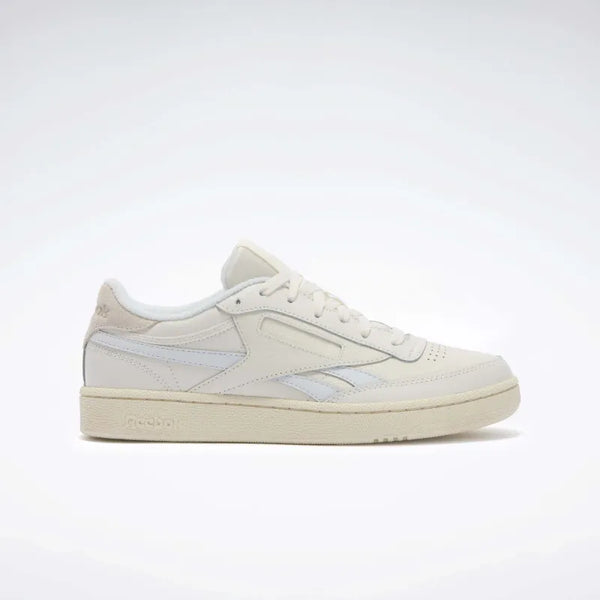
Όταν πρόκειται για στυλ, τα κλασικά είναι διαχρονικά. Καθαρά λευκά δερμάτινα sneakers, κομψά tracksuits, T-shirts με λογότυπο, άνετα hoodies και φόρμες, ρετρό μπασκετικά sneakers, κομμάτια lifestyle που δεν βγαίνουν ποτέ από τη μόδα, casual παπούτσια και άλλα βασικά κομμάτια για την κάψουλα της γκαρνταρόμπας. Δεν υπάρχει τίποτα πιο χαρακτηριστικά Reebok classics από τα Reebok Club C sneakers σε συνδυασμό με ανδρικά ή γυναικεία tracksuits. Μια ολοκληρωμένη εμφάνιση που φωνάζει "tenniscore"!
The New Nano Court
Το απόλυτο παπούτσι απόδοσης για αθλήματα γηπέδου. Το νέο Nano Court από τη Reebok έχει σχεδιαστεί για να είναι το απόλυτο παπούτσι απόδοσης για αθλήματα γηπέδου όπως pickleball, padel και τένις. Με έμφαση στη λαβή, τη σταθερότητα και την ανθεκτικότητα, συνεχίζει την πλούσια ιστορία της Reebok στα παπούτσια προπόνησης.
Διαβάστε ολόκληρο το άρθρο
 REEBOK X TOBE NWIGWE
TOBE NWIGWE
Ράπερ, τραγουδιστής, ηθοποιός, πρώην αστέρας του κολεγιακού ποδοσφαίρου και... πατέρας. Είμαστε ενθουσιασμένοι να εξερευνήσουμε νέα πεδία όσον αφορά τη δημιουργικότητα και το σχεδιασμό, γιατί όταν μεγάλα ταλέντα ενώνονται μπορούν να δημιουργήσουν κάτι εξαιρετικό. Σήμερα γεννιέται μια νέα συνεργασία βασισμένη στην καινοτομία και το επαναστατικό στυλ: μην τη χάσετε!
Διαβάστε ολόκληρο το άρθρο